If Alberta Separated from Canada, How would Mortgages be Affected?
What would happen to your mortgage if Alberta separated from Canada? Could mortgage rates change, would banks still lend, and would buyers still need to pass the mortgage stress test?
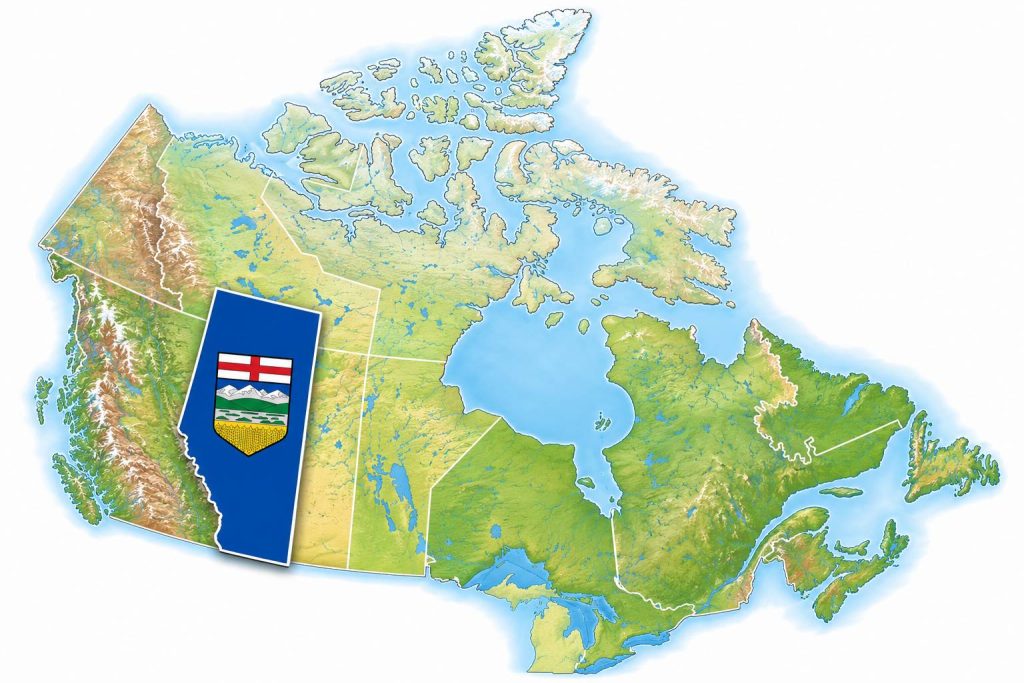
Alberta became a Canadian province in 1905. More than a century later, the possibility of separation raises important questions about the mortgage rules that homeowners and buyers rely on today.
Table of Contents
Who Sets Mortgage Rules in Alberta Today?
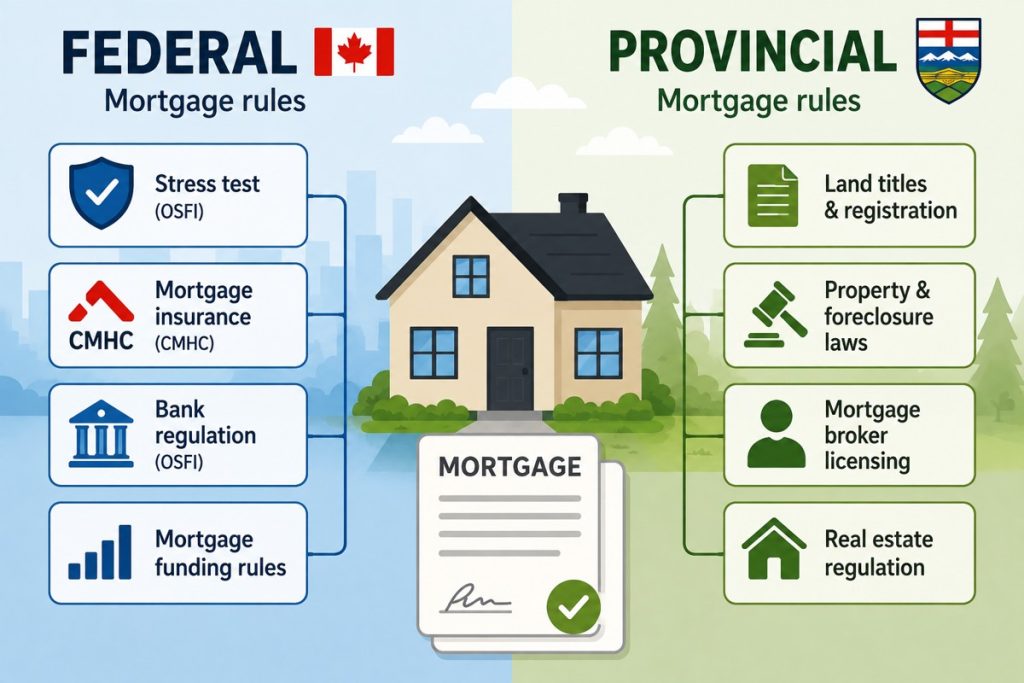
If you are getting a mortgage in Canada, you are dealing with rules created by more than one level of government. The federal government (and its regulators) creates rules that determine whether you qualify for a mortgage. Other rules involving the property itself and mortgage agents are primarily provincial.
Understanding that division becomes particularly interesting when considering what could happen if a province such as Alberta ever separated from Canada. A related question is explored in our article on how Quebec politics could influence mortgage rules.
Why are mortgages regulated by governments?
Mortgages are regulated because they involve large amounts of consumer debt and represent a major part of Canada’s financial system. Governments establish rules intended to protect borrowers, lenders and the stability of the banking system.
Canada’s Constitution divides responsibility between governments. Banking is primarily federal, while property and civil rights are primarily provincial. That is why rules involving banks and mortgage qualification can be federal, while rules involving property law, foreclosure and mortgage brokers can be provincial. Municipal decisions can also influence the cost of owning a home, as illustrated by how Toronto’s mayor can affect what property buyers can afford.
Federal Mortgage Rules
The mortgage stress test is one of the best-known examples of federal involvement.
OSFI requires federally regulated lenders to apply a minimum qualifying rate to most newly underwritten uninsured mortgages. Alongside the qualifying rate, lenders assess debt-service ratios; my article on GDS, TDS and the mortgage stress test explains how those calculations work.
Other federal mortgage rules and programs include:
- CMHC mortgage insurance and high-ratio mortgages
- Minimum down-payment requirements for insured mortgages
- The $1.5 million insured-mortgage price limit
- 30-year insured-mortgage eligibility
Provincial Mortgage Rules
Mortgage broker regulation is one example of provincial involvement. In Alberta, mortgage brokers are licensed and regulated by the Real Estate Council of Alberta (RECA). In Ontario, mortgage agents are licensed and regulated by the Financial Services Regulatory Authority of Ontario (FSRA). These licensing rules are different from the financial assessment lenders perform when reviewing an application. To understand that separate part of the process, see how a bank analyzes your income for a mortgage.
Other provincial responsibilities include:
- Land titles
- Property ownership rules
- Foreclosure procedures
- Mortgage-broker licensing and regulation
- Real-estate regulation
- Provincial property laws

How Could Alberta Separation Change Mortgage Rules?
Suppose Alberta eventually became an independent country. Would Alberta homeowners still have to pass Canada’s mortgage stress test? Would they still qualify for CMHC mortgage insurance? Would Canada’s insured-mortgage down-payment requirements still apply?
An independent Alberta would eventually have to determine how mortgages within the new country would be regulated. It might need its own mortgage-insurance system or negotiate some form of continued relationship with existing Canadian institutions. A useful comparison is the discussion of whether political changes in Quebec could affect mortgage rules, although neither province’s future arrangements can be assumed in advance.
There would also be a major question surrounding Canadian banks operating in Alberta. Even without separation, interprovincial trade barriers can affect the mortgage landscape. The big 5 banks are currently regulated federally in Canada. An independent Alberta would have to determine how Canadian banks could operate within its borders and under what regulatory framework.
Would Your Existing Mortgage Change?
If Alberta separated, homeowners with existing mortgages would still have contractual obligations to their lenders. However, the treatment of those contracts under a new legal and banking system would depend on the terms of separation and any transitional arrangements. There is no established framework for how that would work.
What Happens When Your Mortgage Renews?
Mortgage renewals could become particularly important. Would Canadian banks continue offering mortgages in Alberta? Would borrowers face different qualification requirements or interest rates? Those answers would depend on how an independent Alberta regulated lenders and negotiated access to Canada’s financial system.
Could Alberta Separation Affect Mortgage Rates and Qualification?
For Alberta homeowners, the important question isn’t simply whether Alberta separated. It would be what mortgage system replaced the existing federal framework. Different qualification rules, including loan-to-value (LTV) limits, could affect how much someone can borrow. Different mortgage-insurance rules could affect buyers with smaller down payments.
Changes to the way lenders fund mortgages could potentially affect mortgage rates. For more on the broader forces involved, see why mortgage rates may rise even in a strong economy. Different banking regulations could also influence which lenders are willing or able to provide mortgages in Alberta.
What Should Alberta Homeowners Watch For?
For now, existing Canadian mortgage rules continue to apply in Alberta. Homeowners and buyers should watch for concrete proposals affecting lender regulation, mortgage insurance, renewal options and existing contracts. Until separation terms and transition rules are established, predictions about exactly how mortgage rates or approvals would change remain speculative.