The Parti Québécois won the October 5, 2026 Québec election and is set to form a minority government under Paul St-Pierre Plamondon.
For anyone buying a home or renewing a mortgage in Québec, that raises an interesting question:
Could mortgage rules now change in Québec?
The answer is yes — but probably not in the way many borrowers would first assume.

Most Major Mortgage Rules Are Still Federal
Some of the mortgage rules Canadians are most familiar with are not controlled by the Québec government.
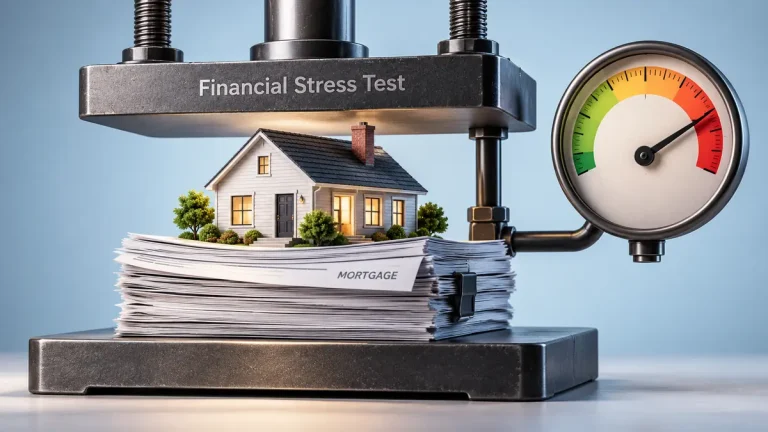
For example, OSFI (federal regulator for financial Institutions) establishes the mortgage stress test used by federally regulated lenders for uninsured mortgages. The current qualifying rate is the greater of the mortgage contract rate plus 2% or 5.25%.
Federal rules also determine important aspects of insured mortgages.
Ottawa, for example, increased the maximum purchase price eligible for mortgage insurance to $1.5 million and expanded access to 30-year insured amortizations for first-time buyers and buyers of new homes beginning December 15, 2024.
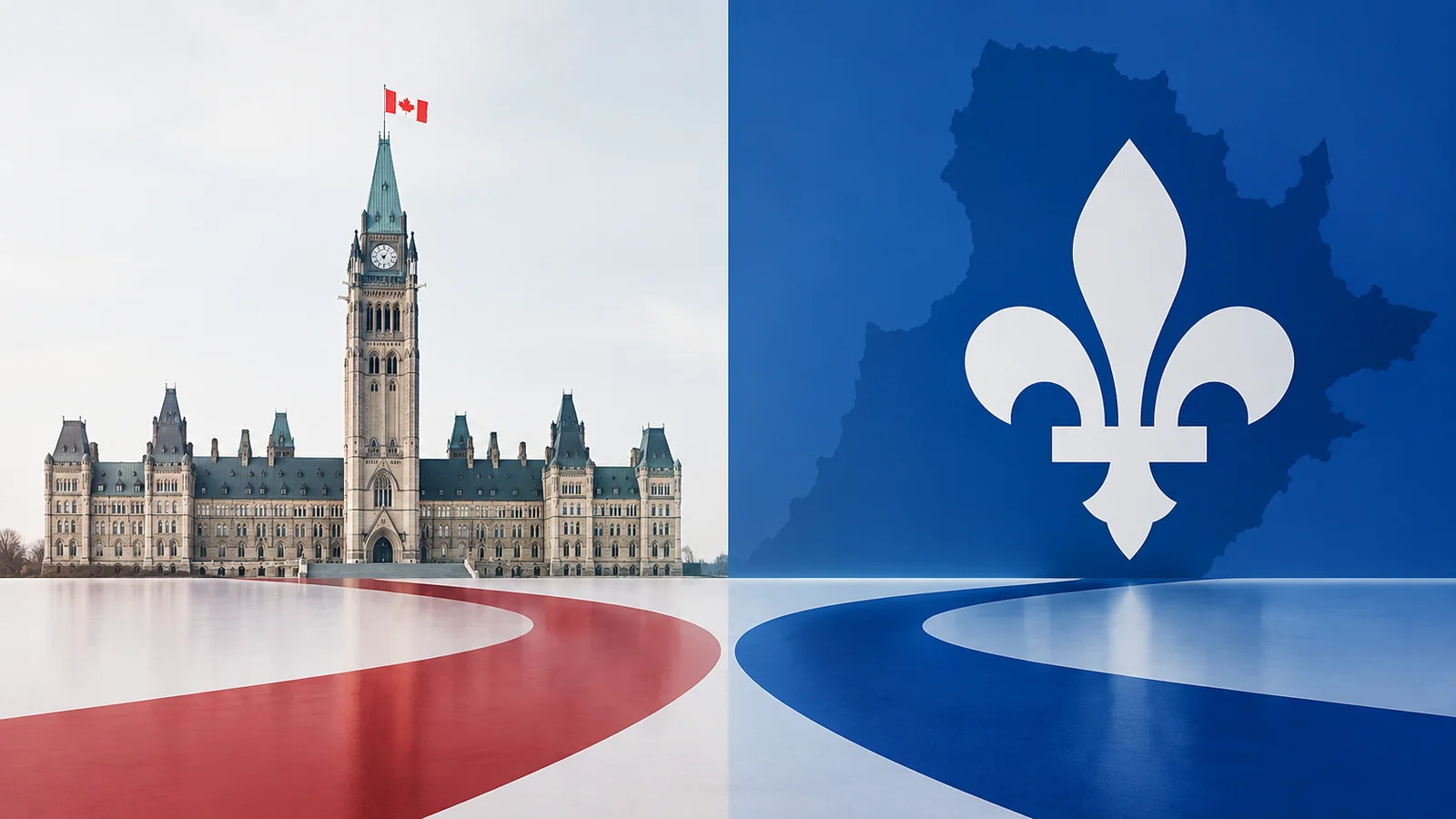
So, Ottawa controls the federal mortgage rules that apply to federally regulated lenders. Québec can change things such as provincial homebuyer tax credits, QST rebates, housing programs, construction policies and rules for provincially regulated financial institutions.
Québec Still Has Influence
Québec also has its own financial regulator, the Autorité des marchés financiers, or AMF.
The AMF establishes residential mortgage-lending guidelines for financial institutions under Québec jurisdiction, including financial-services cooperatives and certain Québec-regulated deposit-taking institutions.
Its residential mortgage guideline was most recently revised in September 2026.
First-Time Buyers Could See More Immediate Changes
The clearest connection between the new government and mortgages may actually come from the PQ’s homeownership policies.

During the 2026 election campaign, the Parti Québécois proposed refunding up to $45,000 of Québec sales tax on newly built homes and self-built homes for qualifying first-time buyers. It also proposed increasing Québec’s first-home purchase tax credit from $1,400 to $3,000. Reducing the amount of cash a buyer needs to purchase a home can have a very real effect on affordability.
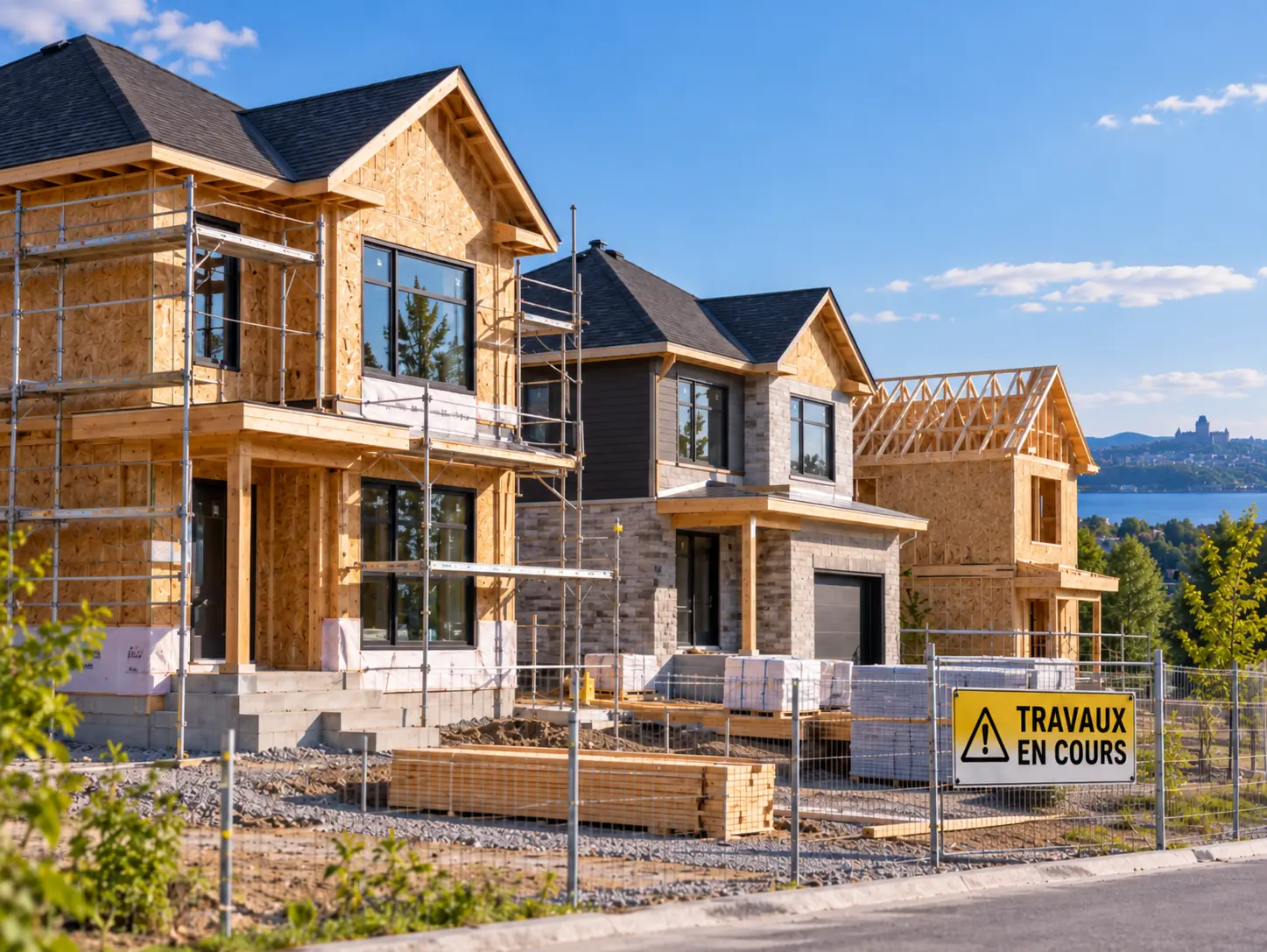
The PQ has also proposed reducing construction costs and regulations in an attempt to increase the supply of housing.
Could Québec Subsidize Mortgage Rates?
This is where things become particularly interesting.
In earlier policy resolutions adopted by Parti Québécois members, the party supported creating a program that would subsidize mortgage interest rates for eligible first-time buyers for three years. The same policy document also supported extending maximum amortizations from 25 to 30 years for first-time buyers.
It remains to be seen whether these ideas will actually come to fruition, but they do offer a glimpse into how a PQ government could change mortgage and homeownership policy in Québec.

What Happens Next?
The government will need to introduce legislation, budgets and programs and, depending on the measure, obtain enough support in the National Assembly to implement them.
But Québec can influence homeownership through its own taxes, credits, housing programs, construction policies and the regulatory framework governing Québec-regulated financial institutions.
For someone hoping to buy a home in Québec, those changes could ultimately matter almost as much as a change to a mortgage rule itself.