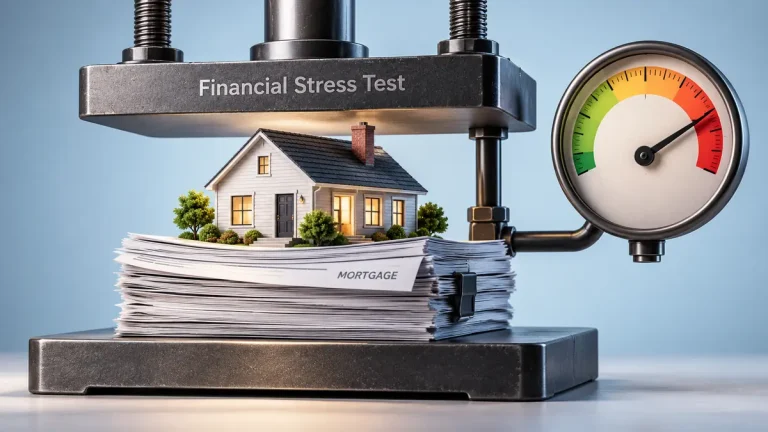
Recent layoffs at Stelco have put hundreds of Ontario workers in a position they may never have expected to face.
You have a mortgage. You have always made your payments. Then suddenly, your paycheque stops. One of the first worries may be: What happens if my bank finds out? The answer may be less frightening than you think.

How Does This Affect My Mortgage?
Simply losing your job does not mean that you have stopped meeting your mortgage obligations.
According to the Financial Consumer Agency of Canada (FCAC), mortgage default happens when you fail to meet the terms of your mortgage agreement — for example, by missing a required payment.
So if you lose your job but continue making your mortgage payments on time, the job loss itself does not automatically mean that the bank will demand repayment of your mortgage or take your house.
The important distinction is between losing your income and stopping your mortgage payments. Those are not the same thing.
Of course, every mortgage has its own contract. If you are concerned about a particular clause in yours, it should be reviewed rather than assuming every mortgage works exactly the same way.
Call Before You Miss a Payment

This may be the most important point in the article.
There is a big difference between saying, “I’ve lost my job and I’m worried I may have trouble making my mortgage payment next month,” and saying, “I’ve already missed my mortgage payment. What happens now?” The earlier conversation usually gives the lender more room to discuss possible relief options with you.
FCAC expects federally regulated lenders to offer mortgage-relief measures appropriate to a borrower’s circumstances when they are at risk of mortgage default. The earlier you understand those options, the more choices you may have.
Can I Skip a Payment?

Possibly.
Banks may have a number of mortgage-relief options available for borrowers experiencing financial hardship. One possibility is a mortgage payment deferral, where payments are temporarily postponed.
But be careful with the word “skip.” The payment does not necessarily disappear. FCAC warns that deferring mortgage payments can increase the total amount you ultimately pay. Your future payments could increase, your amortization could become longer, or you could end up paying considerably more interest over the life of the mortgage.
So a payment deferral can provide valuable short-term breathing room, but it should not be confused with the bank forgiving a mortgage payment.
Can I Pay Interest Only?
Possibly.
For example, instead of asking the bank to skip an entire mortgage payment, you could ask whether they would allow you to make only the interest portion of your payment for one month and temporarily not pay down any principal. That could make the month’s payment smaller while still allowing the lender to collect the interest owing.
It does not mean the principal disappears. It simply means your mortgage balance would not be reduced that month, and the lender would decide how the postponed principal is dealt with afterward. There is no guarantee the bank will agree, but if the problem is temporary cash flow, a one-month interest-only payment is one of the options worth asking about before you miss a regular payment.
This is different from many private-lender mortgages, which are structured as interest-only for the mortgage term. Here, interest-only is being discussed as temporary relief — possibly for just one month.
Look at Your Other Debt

When your income suddenly drops, you cannot control how quickly you will find another job, but you can start looking at the expenses you can control. Cutting back on the things you enjoy but can temporarily live without may help out a little.
But it is also worth looking at the bigger monthly costs — especially credit cards, car loans and other high-interest debt. If you have enough equity in your home and can qualify, this may be a good time to explore whether consolidating some of that higher-interest debt into your mortgage through a refinance could reduce your overall monthly payments.
Losing Your Job
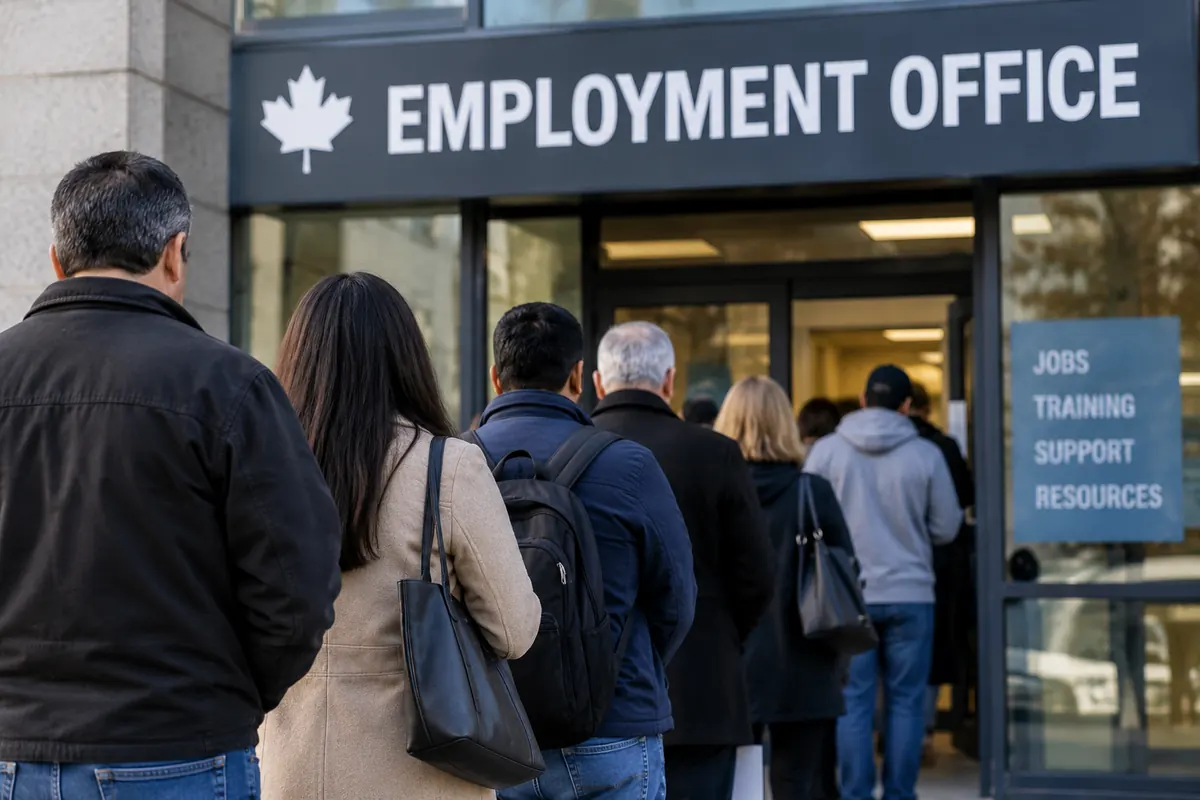
A layoff can be frightening, particularly when there is a mortgage payment sitting in the middle of your monthly expenses. But losing your job and defaulting on your mortgage are two different things.
If you can continue making the payments, your immediate mortgage situation may not change at all. If you think you may not be able to make them, find out what options are available before the first payment is missed. Sometimes the most important mortgage decision is not finding a lower interest rate — it is buying yourself enough time to get through a difficult period without turning a temporary job loss into a much larger financial problem.