The difference between a 25-year and 30-year mortgage can cost you tens of thousands of dollars.
A 30-year amortization can make your mortgage payment considerably easier to manage. A 25-year amortization gets you out of debt faster. Neither choice is automatically right for everyone.
Table of Contents
What Is Mortgage Amortization?
Your amortization is the estimated length of time it will take to completely pay off your mortgage if you continue making the scheduled payments. It is different from your mortgage term. Your term might be three or five years. Your amortization could be 25 or 30 years.
At the end of each mortgage term, you normally renew the remaining balance, but your original amortization determines how quickly that balance is supposed to decline.
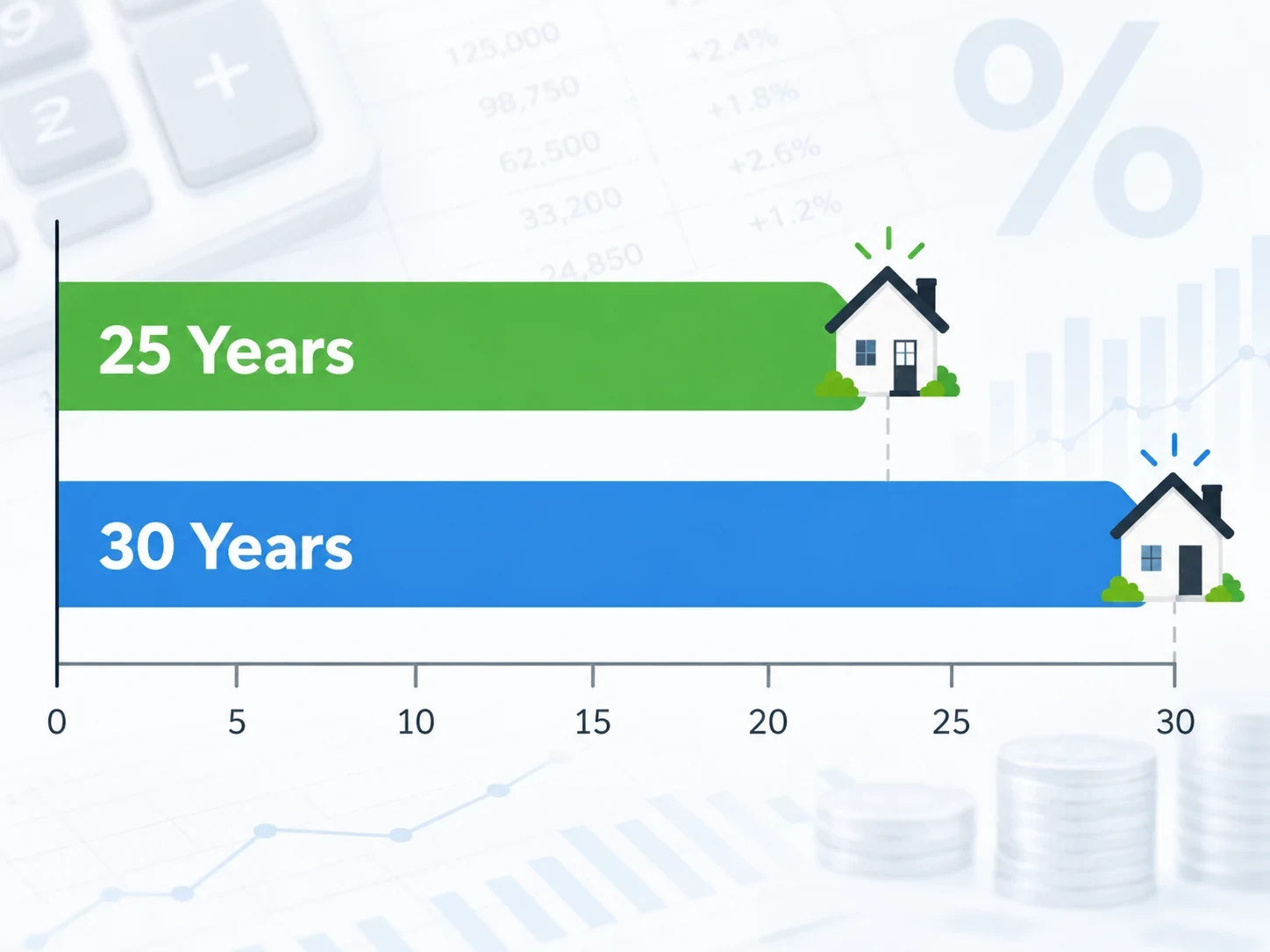
25 Years vs. 30 Years
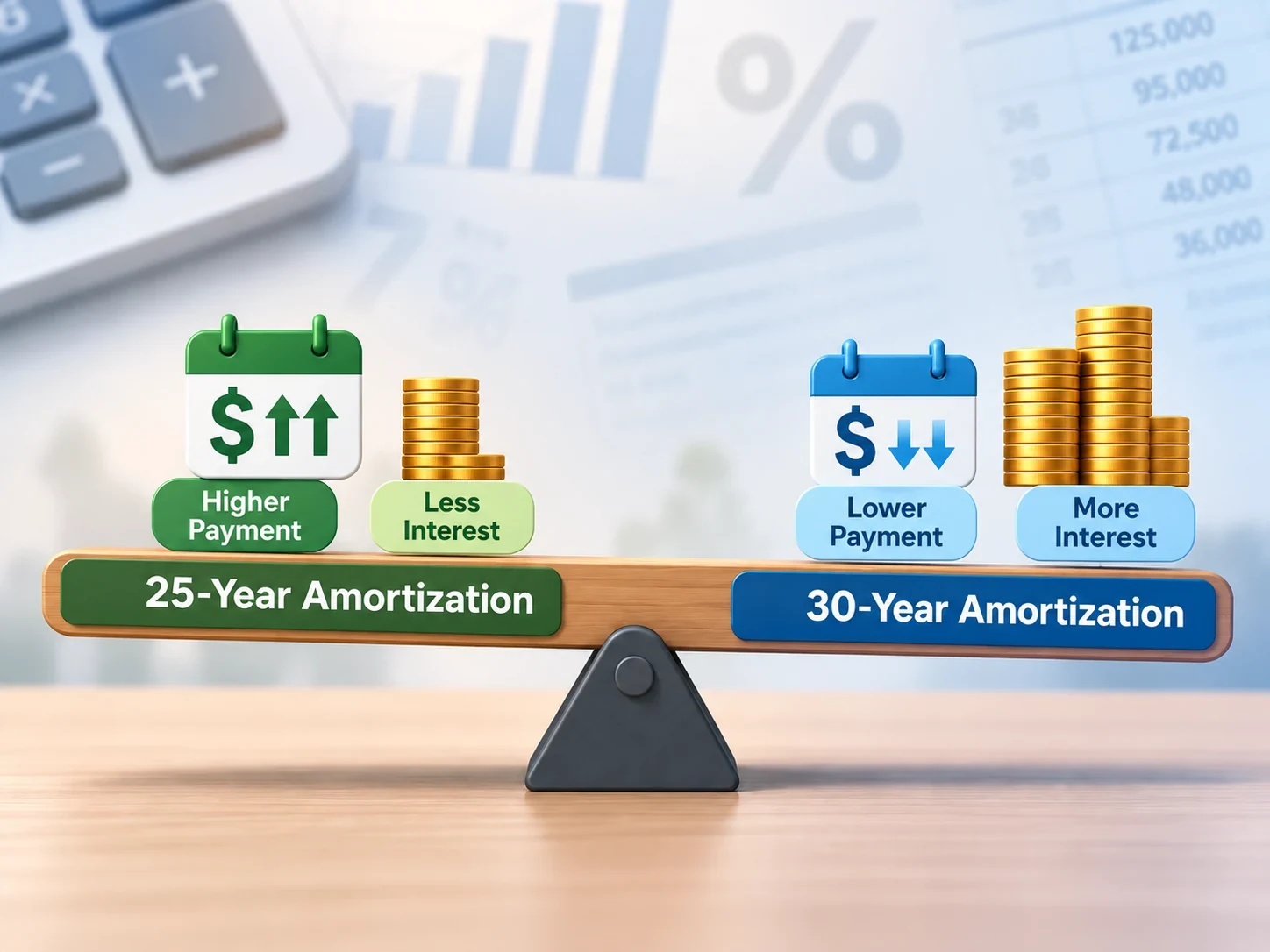
The biggest advantage of a 30-year amortization is simple: Your required mortgage payment is lower.
Consider a $500,000 mortgage at 4.50%, with monthly payments and no change in interest rate over the entire amortization. With a 25-year amortization, the payment would be approximately $2,767 per month.
With a 30-year amortization, it would be approximately $2,521 per month. That is a difference of roughly $246 every month. For someone trying to manage a tight monthly budget, that can be significant.
But there is a cost. If the mortgage actually remained at 4.50% for the entire period, the approximate total interest would be:
25 years = $330,000
30 years = $408,000
That is roughly $77,000 more interest simply because the debt is being repaid more slowly.
Real mortgages normally renew several times and rates change, so these figures are illustrative rather than a prediction of the actual interest someone will pay.
Why Choose a 30-Year Amortization?
There are several reasons someone may deliberately choose 30 years. The first is cash flow. A lower required payment leaves more money available each month for property taxes, utilities, childcare, investments, emergencies or other debts.
It can also make qualifying easier because the required mortgage payment used in the lender’s debt-service calculations is lower. For some borrowers, the 30-year amortization may be what makes the mortgage affordable enough to carry comfortably.
30-Year Amortization Risks
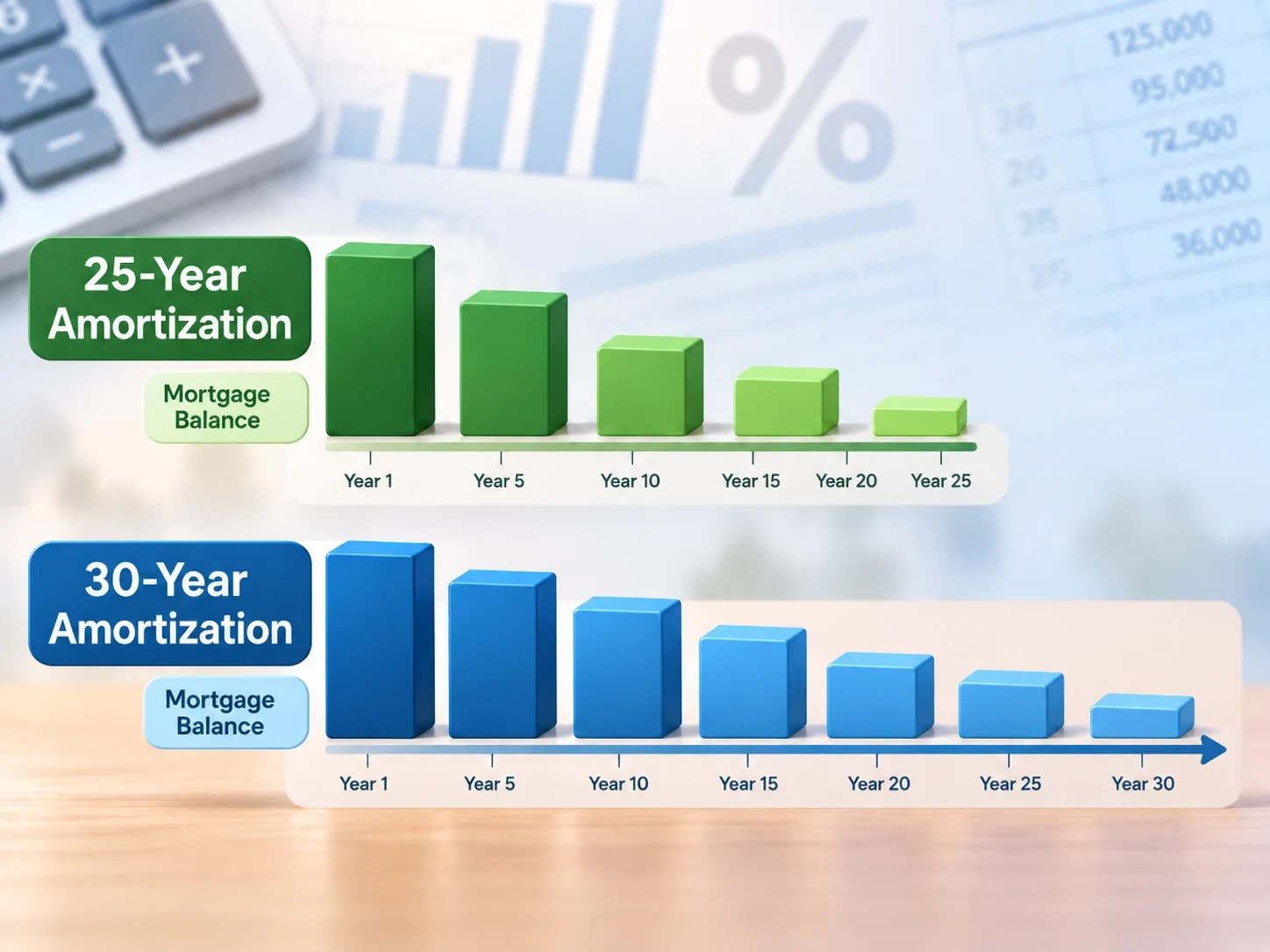
The obvious risk is that you remain in debt longer. But there is another important issue. During the early years of a mortgage, a significant portion of your payment goes toward interest. Extending the amortization means the principal balance generally falls more slowly.
That means you may arrive at your next renewal owing more money than you would have with a shorter amortization. The longer your debt remains outstanding, the longer you are also exposed to future interest-rate changes.
30-Year Can Increase Mortgage Rates
Sometimes the interest rate on a 30-year amortization is slightly higher than the rate available on a comparable 25-year mortgage. This does not happen with every lender or every mortgage. One reason is risk.
When a mortgage is amortized over a longer period, the principal is being repaid more slowly. The lender therefore has more money outstanding for longer. Lenders also price mortgages according to their funding costs, insurance eligibility and the amount of risk associated with the loan.
So when comparing 25 years and 30 years, don’t automatically assume the interest rate will be identical.
The Advantage People Sometimes Miss
Choosing a 30-year amortization does not necessarily mean you have to take 30 years to pay off your mortgage. Many mortgages allow additional principal payments or increases to your regular payment. That creates an interesting strategy.
You can choose the lower required payment of a 30-year amortization for flexibility, while voluntarily paying more whenever your finances allow. If you have extra cash, you can use your mortgage’s prepayment privileges to make lump-sum payments or increase your regular payments, depending on the lender’s rules. The important word is voluntarily.
The 30-year mortgage gives you the lower minimum payment during difficult months, but you can still attack the principal aggressively when cash flow is strong. You need to check the specific mortgage’s prepayment privileges because lenders have different rules and limits.
When 25 Years May Make More Sense
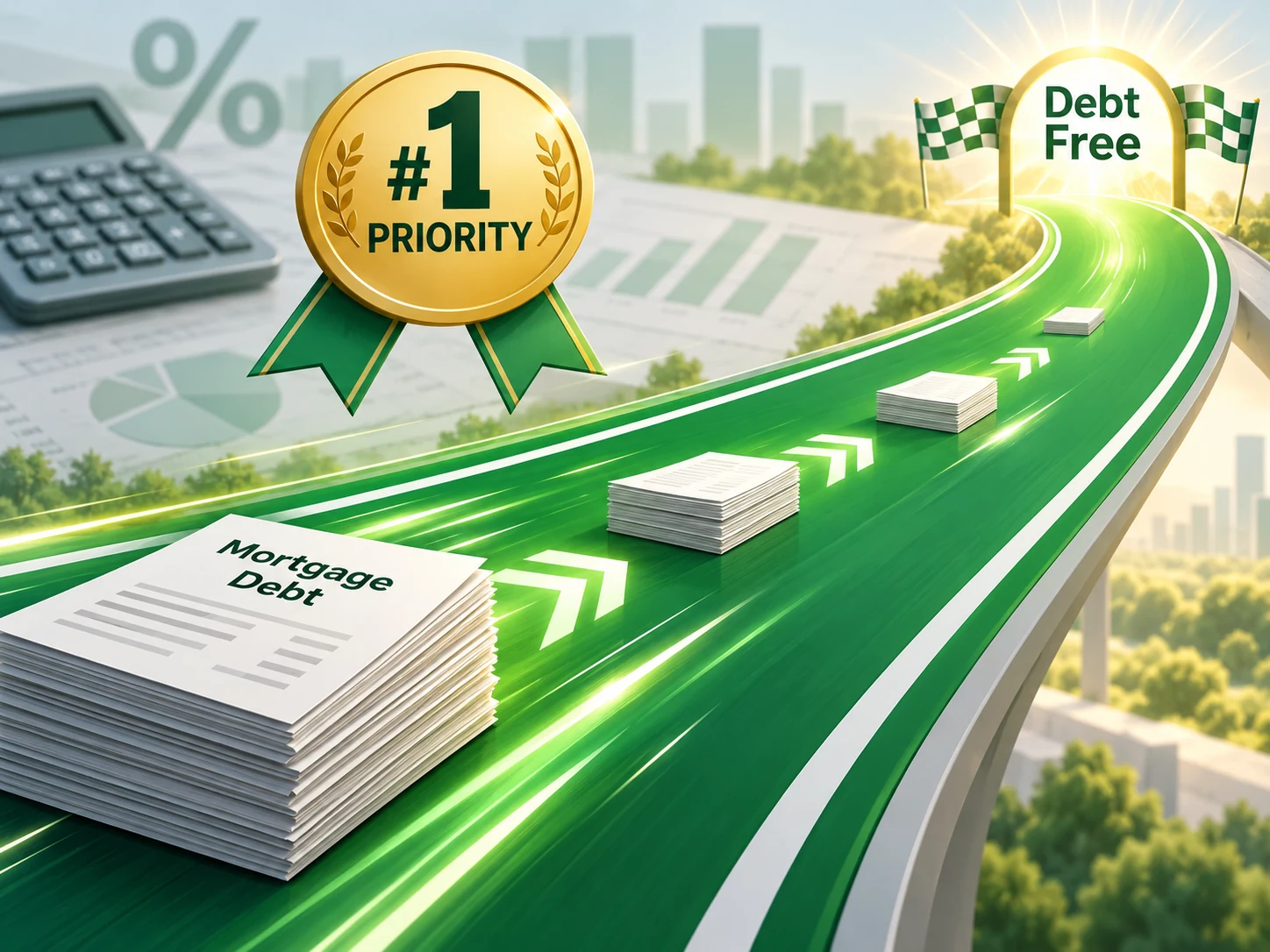
A 25-year amortization may be better suited to someone who can comfortably afford the higher payment and wants to reduce debt more quickly. You build equity faster. You generally pay less interest. And you reach the point where the mortgage is completely gone sooner.
There is also a behavioural advantage.
If the higher payment is mandatory, you do not have to make the decision every month to put additional money toward the mortgage. The faster repayment is automatically built into your payment.
When 30 Years May Make More Sense
A 30-year amortization may make sense when keeping the required monthly payment lower is particularly important. For example, someone may have irregular income, significant childcare expenses, another debt they want to eliminate first or simply want more room in their monthly budget.
The risk is using the lower payment as an excuse to carry the debt indefinitely. The benefit comes from flexibility, not from deliberately keeping a mortgage for an extra five years.
My Philosophy on Amortization
This is my personal view rather than a rule that everyone should follow. I believe the goal should ultimately be to get your debt as low as possible and pay it off as quickly as reasonably possible.

That does not necessarily mean everyone should automatically choose a 25-year amortization. There can be good reasons to choose 30 years, particularly when it provides valuable breathing room in your monthly cash flow.
But if you choose the longer amortization and later have extra cash available, I would recommend using that money to reduce the mortgage than simply allowing the debt to remain outstanding for another five years.
A 30-year amortization can be a useful financial tool. It should not automatically become a 30-year plan.