Jason Wodlinger
What Does Ousting the U.S. Ambassador Have to Do With Mortgage Rates?
More than 88,000 Canadians have signed a parliamentary petition calling on the federal government to declare U.S. Ambassador Pete Hoekstra persona non grata and request his removal from Canada.
View the official House of Commons Petition e-7531.
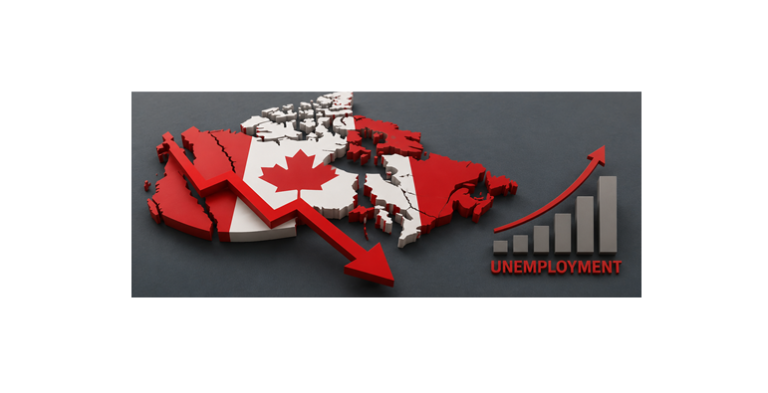
The petition accuses the ambassador of interfering in Canadian domestic affairs and behaving in a manner inconsistent with the Vienna Convention on Diplomatic Relations. But the importance of this petition goes beyond what Canadians think about one particular ambassador. It reflects the growing intensity of public anger surrounding the relationship between Canada and the United States. One possible economic consequence of worsening relations is pressure on Canadian jobs, as explored in US Trade War & Canadian Unemployment.
Why Public Anger Matters to Politicians
Politicians do not make decisions in isolation, especially when elections are approaching.
Quebec’s provincial election is scheduled for October 5, 2026. Canada–U.S. relations could influence how Quebecers vote if tariffs threaten jobs or major Quebec industries. The election results could also signal how Quebec voters expect governments to deal with the United States.

That matters nationally because Quebec represents 23% of all seats in the House of Commons. Federal parties therefore have a strong political reason to pay attention to public sentiment in Quebec.
View the House of Commons seat distribution.
The same pressure can exist in the United States. American politicians may also feel that taking a harder position against Canada is politically popular with their voters.
When both countries are under pressure to appear strong, trade negotiations can become more difficult.
Canada may be less willing to make concessions. The United States may maintain or increase its tariffs. Canada could respond with additional retaliatory tariffs. What begins as public anger can therefore contribute to political decisions that have real economic consequences. Those trade measures can also affect borrowing costs, a connection explored in Tariffs in Canada and Mortgage Rates.
How Tariffs Can Affect Mortgage Rates

Tariffs can increase the cost of imported products and the materials Canadian businesses use to produce goods. Businesses may pass some of those costs along to consumers, contributing to inflation.
This creates two very different possibilities for interest rates.

If tariffs increase prices and inflation remains elevated, the Bank of Canada may be reluctant to lower its policy rate. It could even face pressure to keep rates higher for longer. Inflation concerns could also place upward pressure on bond yields and fixed mortgage rates. Inflation can put similar pressure on rates even without a trade dispute, as explained in Why Mortgage Rates May Rise in a Strong Economy.
However, if tariffs seriously weaken trade, employment and economic growth, the Bank of Canada may have a reason to lower interest rates to support the economy. Weaker economic conditions could also pull bond yields and mortgage rates lower.
In other words, the same political dispute could create pressure for mortgage rates to move higher or lower. The eventual direction would depend on whether inflation or economic weakness became the more powerful force.
What the Petition Could Be Telling Us
The petition to remove the U.S. ambassador is not important to mortgage rates because of the ambassador himself. It is important because it reflects the intensity of Canadian public sentiment.
That sentiment can influence politicians. Political pressure can affect trade negotiations. Trade decisions can then affect inflation, employment, economic growth and interest rates.
We do not know whether these forces will cause mortgage rates to rise or fall. But when public anger, political pressure, tariffs and economic uncertainty are all operating at the same time, the potential is not merely for small fluctuations. For borrowers facing a renewal or new mortgage, that uncertainty makes it useful to compare mortgage strategies for uncertain interest rates rather than assume rates will move in one direction.
The intensity of these competing forces creates the possibility of unusually high volatility—and mortgage rates moving significantly in either direction. The petition does not tell us where rates are going. It tells us that the political environment capable of producing major rate changes is becoming increasingly intense.