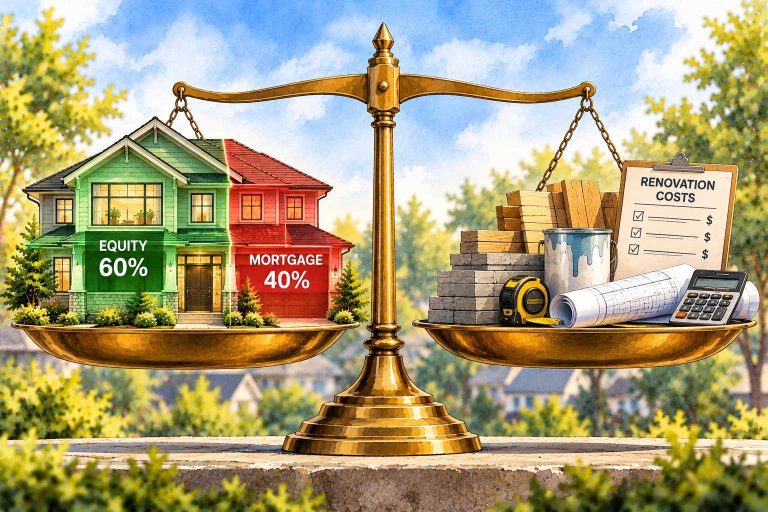
Your home no longer fits your life. Should you renovate, move, or downsize? The mortgage consequences could change which option makes financial sense.
Table of Contents

Renovate Without Moving
Renovating can preserve the neighbourhood, schools and routines you value. But a $100,000 renovation is also a financing decision. Depending on your equity and qualifications, you might consider a refinance, home equity line of credit (HELOC), or second mortgage.
A refinance may provide a lump sum but could replace a low-rate mortgage and trigger a prepayment charge. A HELOC generally provides flexible access to funds but typically has a variable interest rate. Compare total borrowing costs and repayment schedules, not just the amount available.
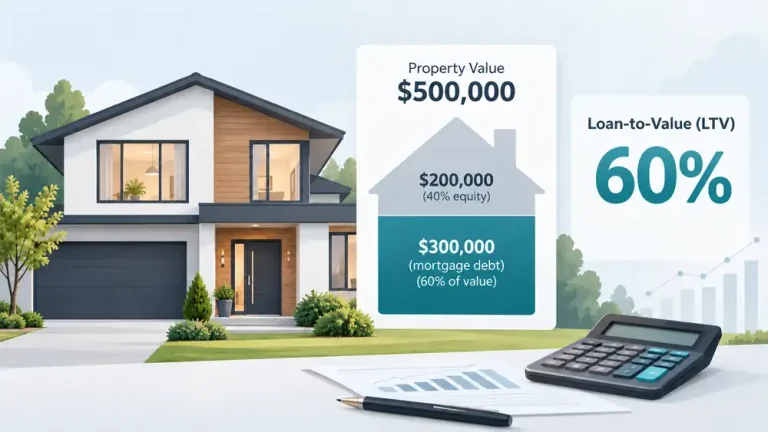
Higher material prices can increase the amount you need to borrow, potentially changing your loan-to-value ratio and monthly payments. My article about US tariffs affecting renovations explains why you should leave room in your financing plan for unexpected cost increases.

Sell and Buy Another Home
If renovating would require substantial new borrowing, compare its total interest and repayment costs with the mortgage you would need to buy a better-suited home. Moving may still cost more once financing and transaction expenses are included.
Include real estate commissions, legal fees, land transfer taxes, moving expenses and any mortgage discharge or prepayment charges. Ask your lender whether your mortgage is portable, and whether additional borrowing would be subject to different rates or terms.
Even if your current mortgage payments are manageable, you may need to qualify again for a new mortgage. Review the implications of mortgage stress testing and debt ratios before making an offer.
Downsize and Unlock Equity
Downsizing could reduce your mortgage balance or eliminate mortgage payments, while releasing equity for retirement or other priorities. However, the difference between sale prices is not necessarily the cash available after repaying debt and covering purchase and sale costs.
You sell for $1 million and purchase for $700,000. The $300,000 price difference is before outstanding mortgage debt, transaction expenses and any applicable taxes. The actual equity released may be substantially less.
Compare property taxes, insurance, utilities and condominium fees alongside any new mortgage payment to understand your total monthly housing costs. If you want to access equity without moving, compare the eligibility requirements, borrowing costs and repayment obligations of a HELOC, refinance or reverse mortgage.
Compare the Real Costs
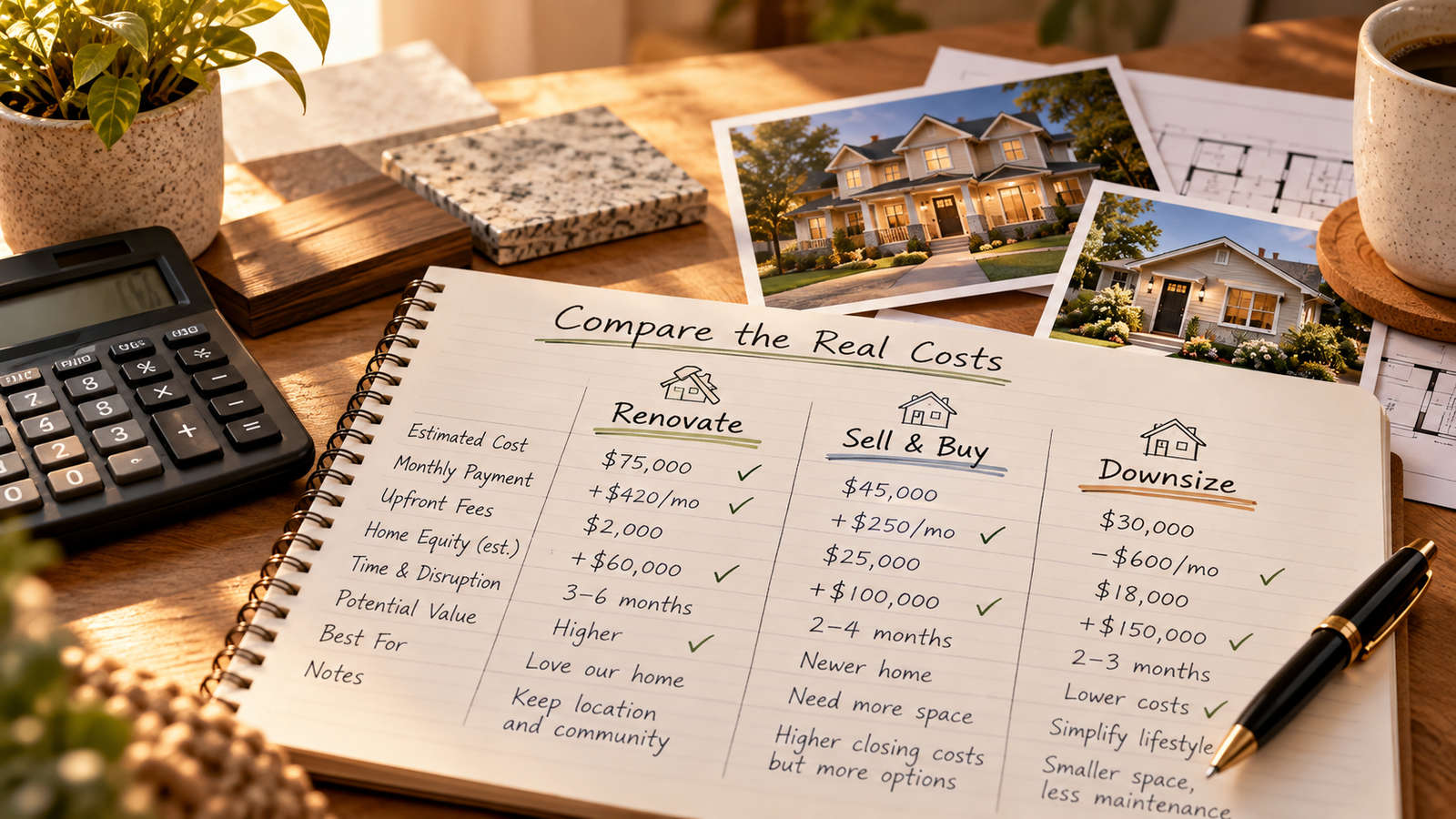
Put the financing alternatives side by side over the same time horizon. Estimate upfront cash needs, borrowing and transaction fees, monthly payments, interest costs, the remaining mortgage balance and the equity you expect to retain.
- Renovate: Project cost, contingency, financing fees and interest.
- Sell and buy: Purchase price difference, transaction costs, mortgage penalty and new payments.
- Downsize: Net sale proceeds, purchase expenses, replacement-home costs and equity remaining.
A low existing fixed rate can make replacing your whole mortgage more expensive than expected. Understanding loan-to-value and available equity is an important starting point.
Make Your Mortgage Decision
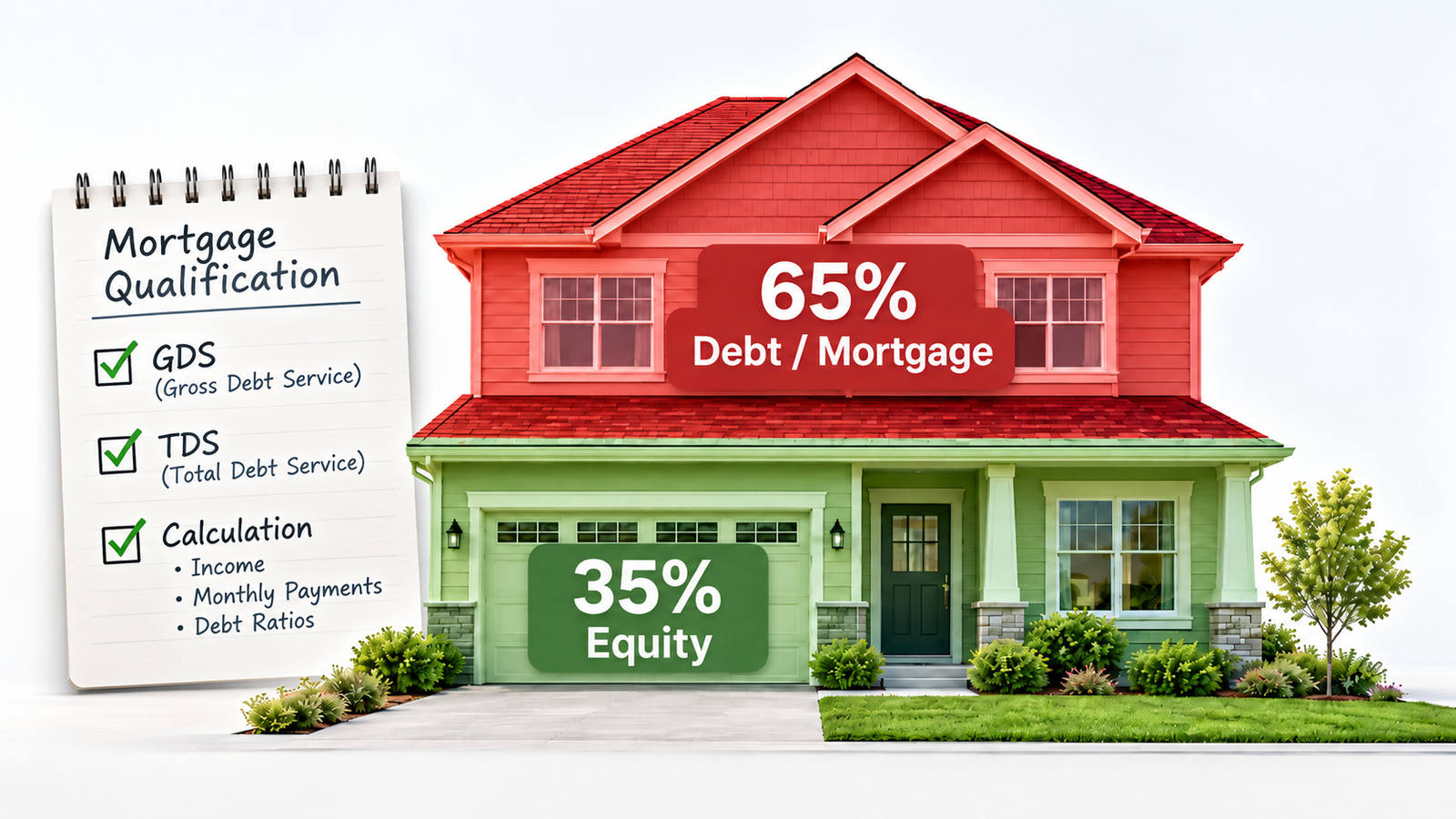
Before committing, find out how much equity you can actually borrow against, what happens to your existing mortgage, and whether your income supports the new payments. Then compare how each choice may affect your finances five years from now.
Remember that property value alone does not guarantee financing. Lenders also consider income, debts, credit and property characteristics. You can review GDS, TDS and mortgage qualification when planning your next step.
Final Thoughts
Renovating, selling and buying, or downsizing can lead to very different borrowing costs and mortgage obligations. Compare prepayment charges, interest rates, qualification requirements, monthly payments and the equity you would retain before choosing your next move.