Planning a $30,000 kitchen renovation or a $100,000 home makeover? The way you finance it could affect your mortgage payments for years.
Table of Contents
Using Your Home Equity
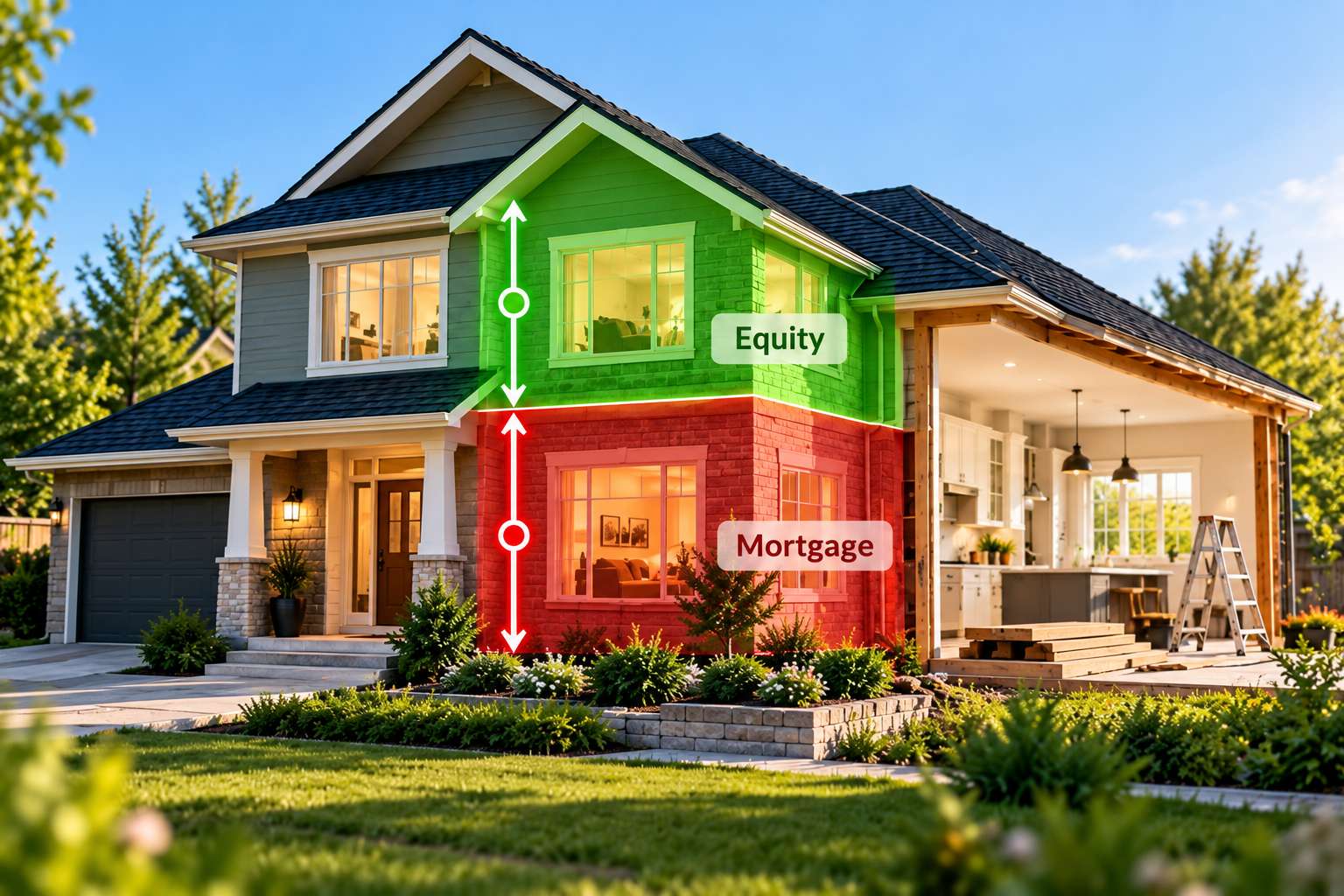
Home equity is the difference between your property’s value and the amount you owe against it. If your home is worth $800,000 and your mortgage is $400,000, you have $400,000 in equity. That does not mean you can borrow the full amount.
For example, 80% of an $800,000 home is $640,000. Subtracting the existing $400,000 mortgage leaves a theoretical $240,000 borrowing capacity before fees and lender restrictions. Your income, credit, appraisal and the type of loan still matter. The federal home-equity borrowing guide explains the risks.
Refinancing Your Mortgage
Refinancing replaces your existing mortgage with a larger one. A homeowner owing $350,000 might refinance to $425,000 to access $75,000 before expenses for a kitchen, flooring and bathrooms.
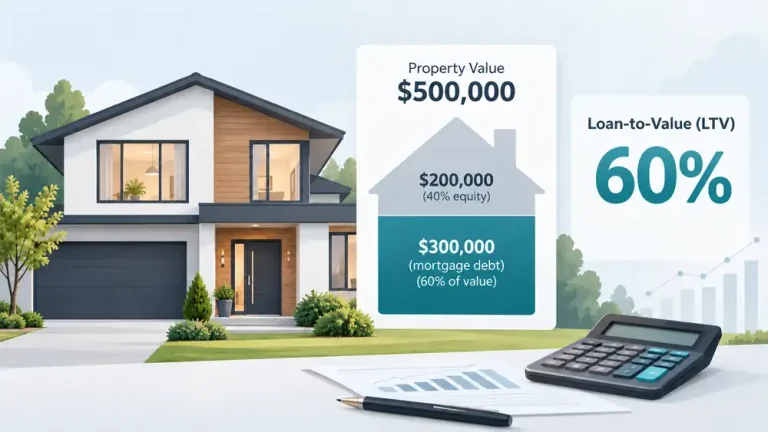
Compare the new interest rate, any penalty for breaking your current mortgage, appraisal and legal costs, and total interest over the repayment period. Understanding your loan-to-value ratio is a useful starting point.
Home Equity Lines of Credit
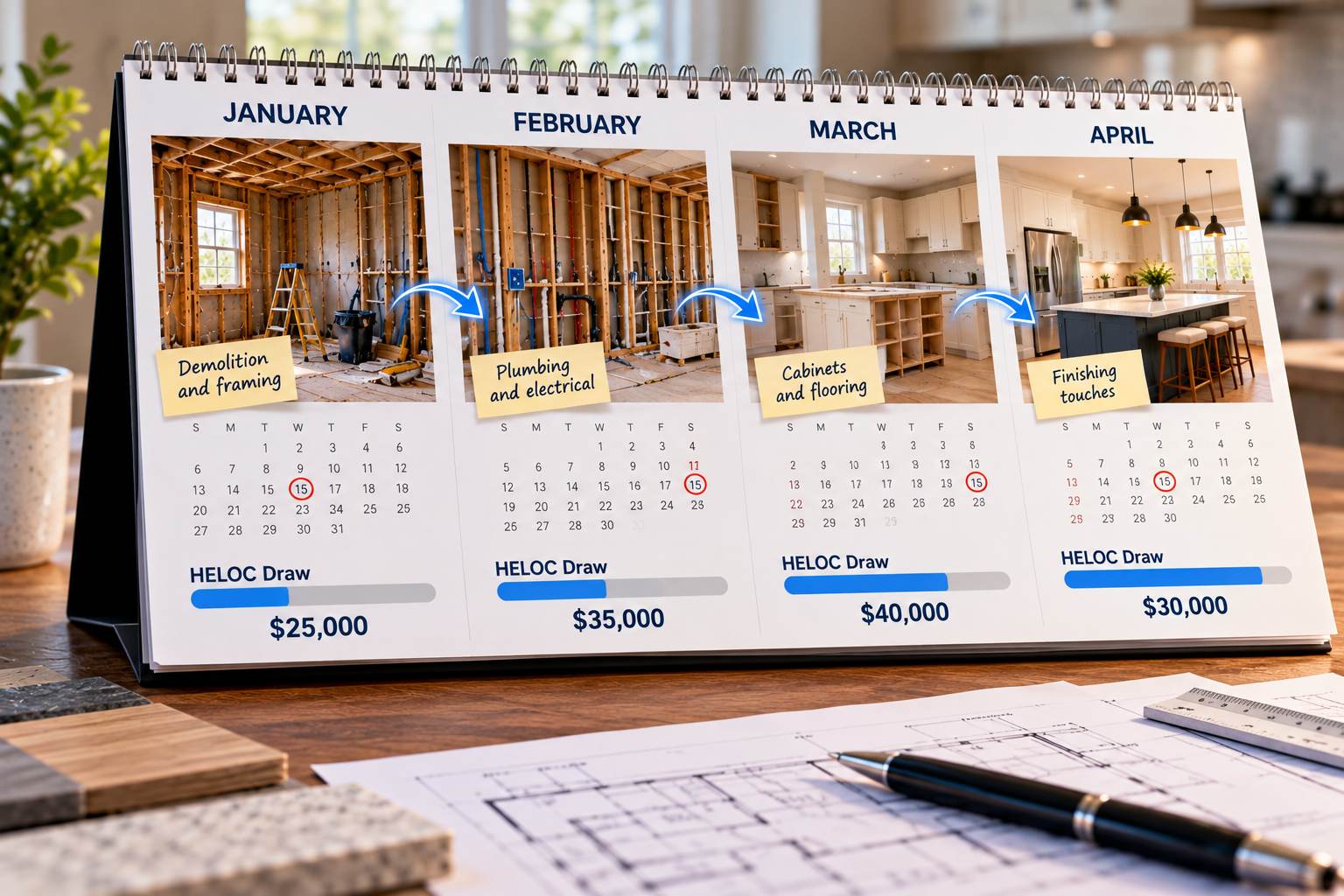
A home equity line of credit (HELOC) can suit renovations paid in stages. You draw approved funds as contractors require them, rather than taking the entire budget at once. Interest is generally charged on the amount borrowed.
HELOC rates are usually variable, and interest-only minimum payments can allow debt to linger. Review the government’s HELOC guidance and plan how you’ll repay the principal.
Second Mortgages
If you have a favourable rate on your first mortgage, a second mortgage may let you access equity without replacing that loan. However, second mortgages often cost more than first mortgages and can involve additional lender, broker and legal fees.
Short-term private financing might also be considered when you need funds quickly and have a credible repayment plan within a year. The total cost can be substantial. Learn about private mortgage lenders before committing.
Buying a Home to Renovate
Buying a home that needs a new kitchen or bathroom? Some purchase-plus-improvements financing programs may allow eligible renovation costs to be included in the mortgage, subject to lender and insurer approval.
Funding may be released after work is completed or at agreed milestones, so contractor deposits and temporary cash flow are important. See CMHC Improvement for program details.
Planning Your Renovation Budget

Ask for a written estimate covering materials, labour, permits, taxes, payment milestones and possible overruns. Older homes may reveal plumbing, electrical or structural issues only after demolition begins.
Make sure the contractor’s payment schedule matches when your lender will release funds. The federal borrowing guidance is also useful when comparing secured borrowing risks.
What If You Don’t Have Enough Home Equity?
Not having enough equity for a conventional refinance does not necessarily mean your renovation plans must stop. Depending on your property’s value, income, credit history and existing mortgage, alternative or private mortgage lenders may offer secured financing solutions that traditional banks cannot.
These options can carry higher interest rates and additional fees, so it is important to compare the total borrowing cost and have a realistic repayment or exit strategy. For some homeowners, delaying the renovation until more equity is available may be the better decision. Learn more about private mortgage lenders and the risks before committing.
Choose Financing Before Construction Begins
A HELOC may fit a project paid in stages, refinancing may suit a substantial renovation, and a second mortgage may help preserve your existing first-mortgage terms. The right option depends on your finances and the project’s timeline.