A smaller down payment can open more doors, but the larger mortgage behind those doors still has to fit your income and everyday budget.
What Changed—and When?
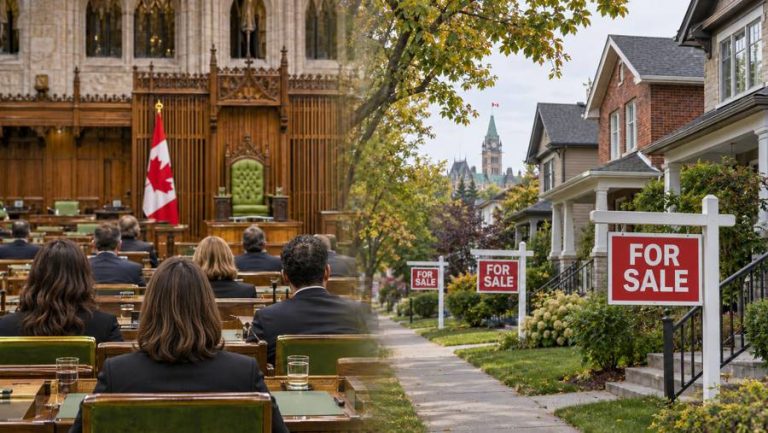
Effective December 15, 2024, Ottawa expanded high-ratio mortgage insurance eligibility from homes below $1 million to homes below $1.5 million. Our guide to high-ratio mortgages and smaller down payments explains borrowing over 80% of property value. Read the December 2024 mortgage reform parameters.
The November 2026 budget proposal is different: it would expand optional insurance for eligible mortgages with at least 20% down, not open more expensive homes to smaller down payments. The high-ratio expansion above already took effect in December 2024.
Which Homes—and How Much Down?
The minimum is 5% on the first $500,000, plus 10% on the remaining price for eligible homes below $1.5 million. It is not 5% of the entire price. At exactly $1.5 million or above, the minimum down payment is 20%. Check the CMHC minimum down payment rules.
| Home price | Minimum down | 20% down |
|---|---|---|
| $1,000,000 | $75,000 | $200,000 |
| $1,200,000 | $95,000 | $240,000 |
| $1,400,000 | $115,000 | $280,000 |
| $1,500,000 | $300,000 | $300,000 |
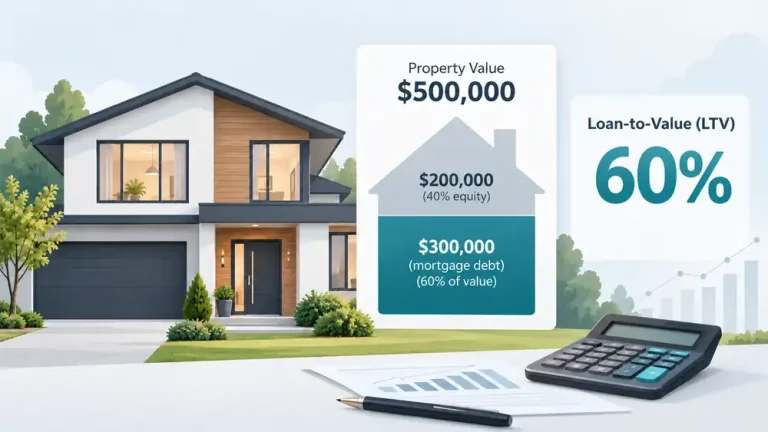
These calculations show the down payment only, not all cash needed to close. Allow for premiums, taxes and closing costs. Our loan-to-value guide explains how your down payment affects borrowing; approval still applies.
Could This Give You More Options?
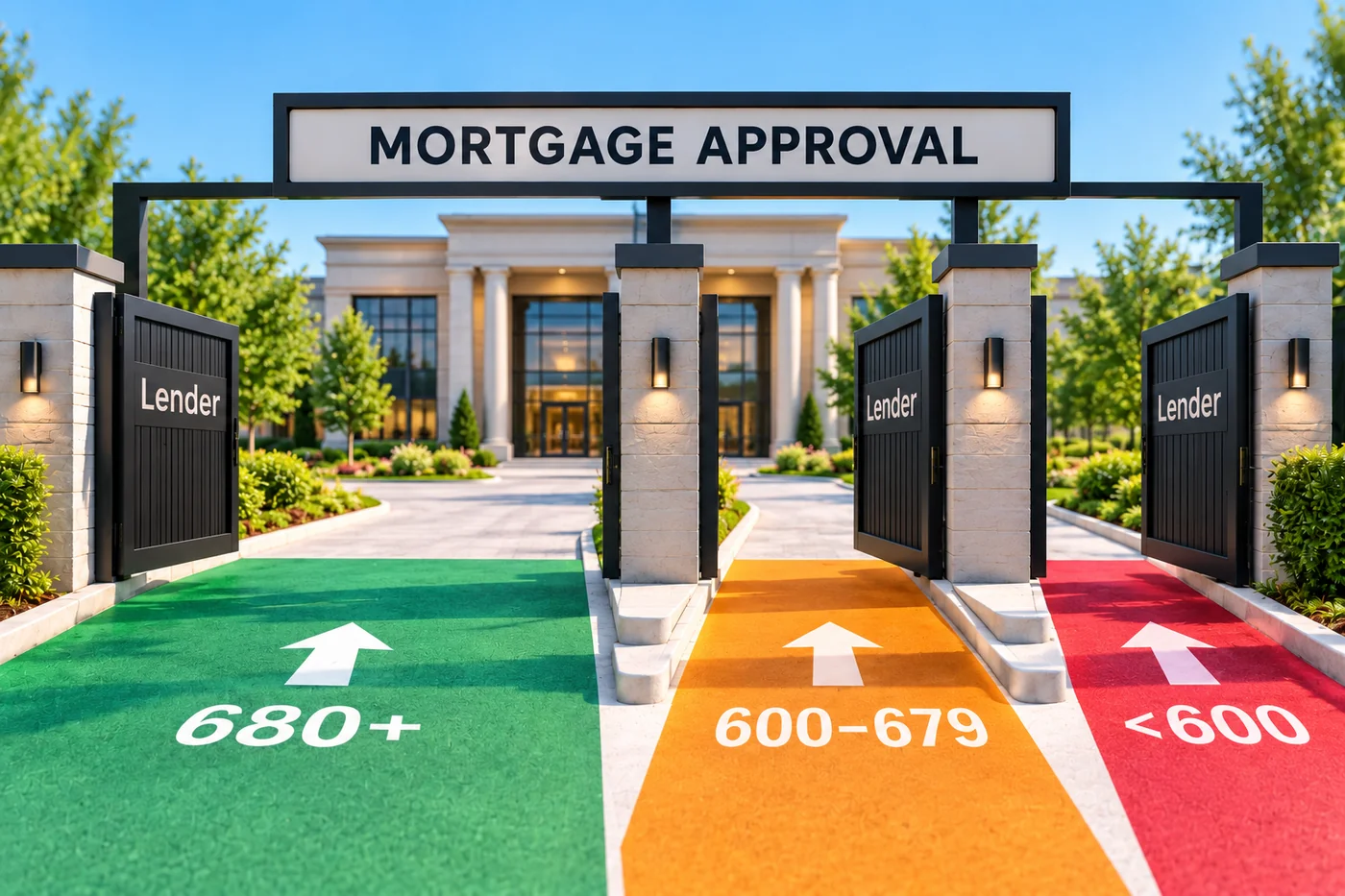
The clearest benefit is for buyers with adequate qualifying income who have not accumulated a 20% down payment. They may consider more neighbourhoods, bedrooms or property types. That does not guarantee a larger approval.
Assumption: A buyer has $95,000 available for down payment and separate funds for closing. On a $1.2 million purchase, that leaves a $1.105 million loan before premiums. Qualification is separate; our guide to how banks analyze income explains that assessment.
Could More Buyers Affect Prices?
One possible effect is additional competition where supply is limited. Outcomes depend on listings, demand, rates and incomes; this is analysis, not a forecast. Our Ontario regional housing outlook explores why local conditions matter.
Buying sooner may appeal to someone concerned about future price increases, but it is not a guaranteed way to get ahead. Prices can fall. Compare local sales, ownership costs and your holding period without relying on appreciation.
When Does Borrowing Become Too Risky?
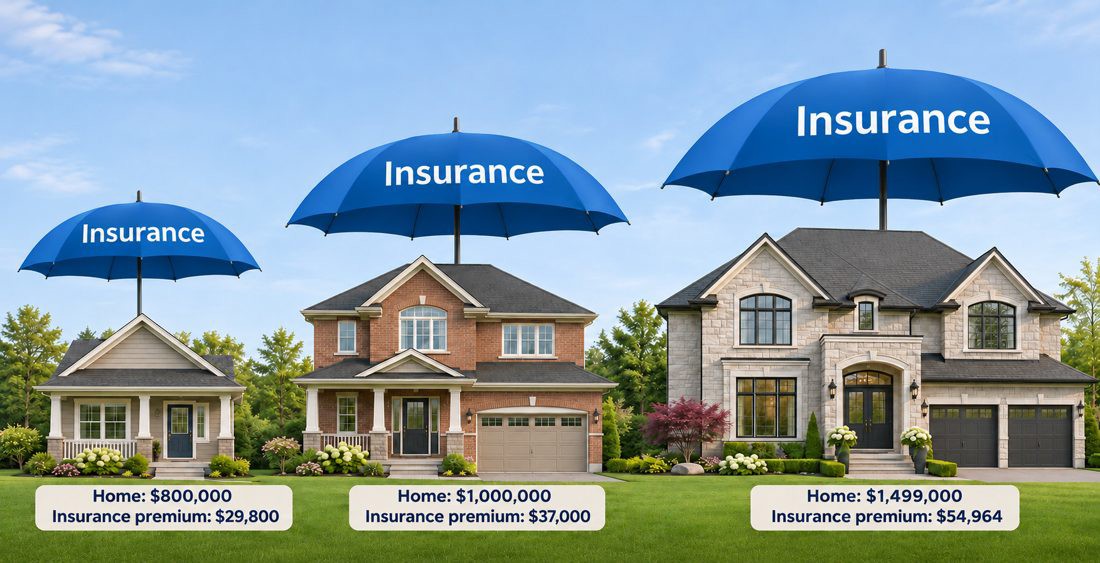
A larger loan with a smaller down payment leaves less equity protection if property values decline. Mortgage default insurance protects the lender, not your income or household budget. FCAC explains the protection and premium costs in its federal mortgage insurance consumer guidance.
Assumption: A $1.2 million home purchased with $95,000 down falls 10% in value soon after closing. Its $1.08 million value would be below the $1.105 million initial loan, before premiums, repayments or selling costs. This is not a forecast.
Income loss, unexpected repairs or higher payments at renewal could make a stretched household more vulnerable to missed payments. This does not establish that the reform will cause more defaults. Scarce listings and expensive tastes both call for spending limits. Approval does not establish affordability. See what happens after job loss.
Does a 30-Year Amortization Help?
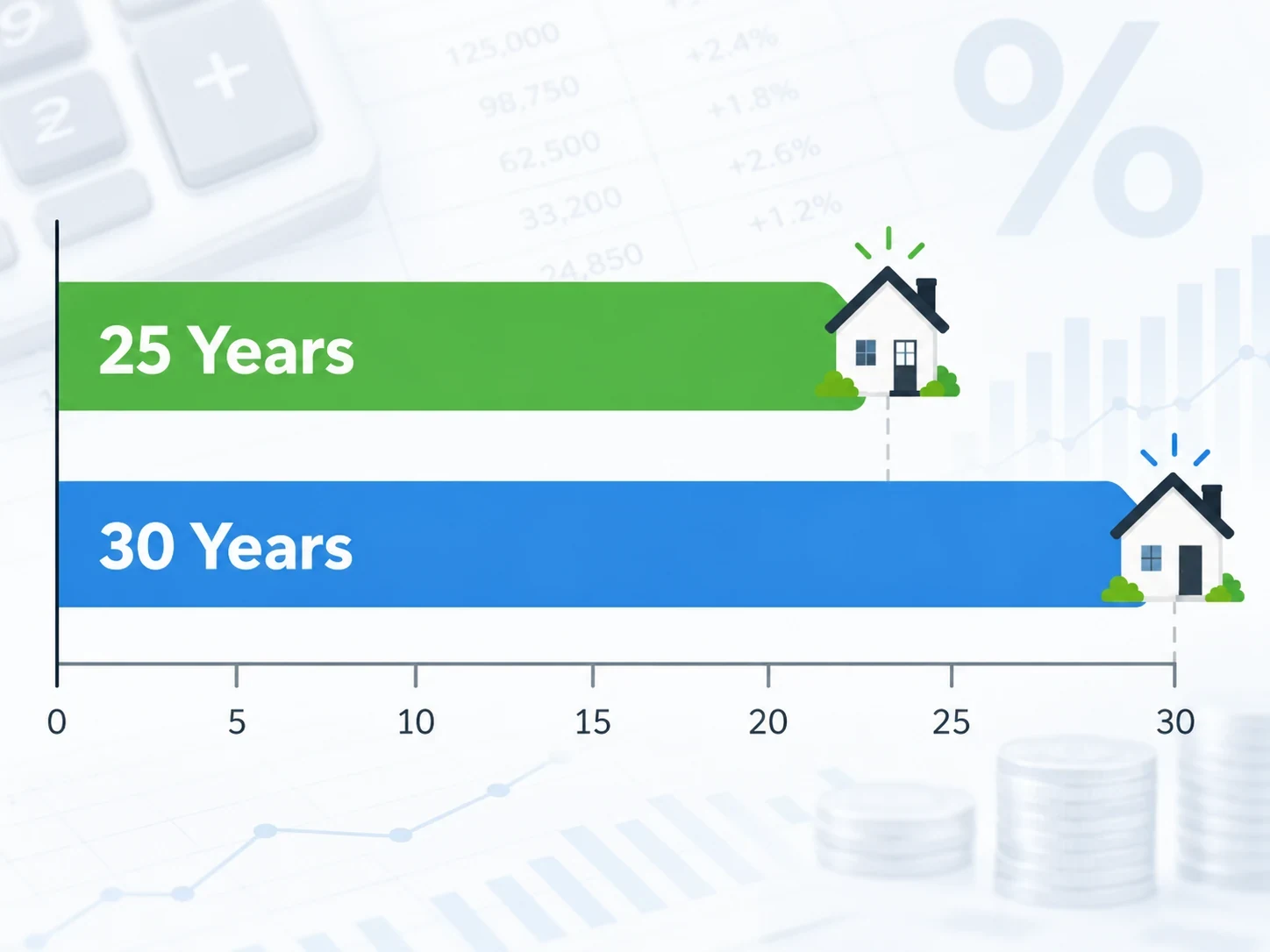
The December 2024 reforms also expanded 30-year insured amortizations for eligible first-time buyers and buyers of new builds. Other high-ratio purchases generally have a 25-year maximum. Amortization is the repayment period.
Spreading the same debt over longer generally lowers payments but increases total interest at an unchanged rate. Review FCAC’s term and amortization guidance and our 25-year versus 30-year comparison.
Buy More—or Keep a Cushion?
Set your comfortable monthly budget before using the lender’s maximum as a shopping limit. Include taxes, insurance, utilities, maintenance, condo fees where applicable and everyday spending. Keep emergency savings. Our mortgage stress test guide explains lender qualification, which differs from your spending comfort.
The higher price ceiling offers more choice to qualified buyers with smaller down payments. Use it only if the debt, costs and remaining savings fit your household.