Table of Contents
- Why Consider a Heat Pump?
- Other Enviro-Renovation Ideas
- Other Renovation Rebates
- How to Finance Heat Pump Renovations
- What Will the Lender Ask?
- Large Projects Drawdowns
- Renovations ? = ? House Value
- Location Matters
- What About Rural Properties?
Federal Government Announcement
Ottawa has announced $2 billion for a new national heat pump rebate program. Eligible homeowners with household incomes below the median may qualify for up to $10,000, while other eligible homeowners may receive up to $2,000 toward a heat pump installation. That’s a substantial incentive to upgrade your heating system. But what if the rebate doesn’t cover the full renovation bill? How can you finance the difference?
The new National Heat Pump Rebate aims to help as many as 820,000 households replace old heating systems over eight years. The government says approvals could take just 24 hours, with no home energy audit required. The program is expected to launch in early 2027.
Why Consider a Heat Pump?
Unlike a furnace that burns fuel to produce heat, a heat pump moves existing heat into your home, using much less energy than conventional electric resistance heating. It also works in reverse to cool your home in summer. This can mean lower long-term energy bills and year-round comfort, although savings compared with a natural-gas furnace depend on local energy prices, the weather and your home’s insulation.
Installation costs vary by equipment type, home size, electrical work and duct modifications. Obtain multiple itemized quotes. In Ontario, the Home Renovation Savings program describes incentives for qualifying heat pumps; check current eligibility and amounts before signing a contract.
Other Enviro-Renovation Ideas
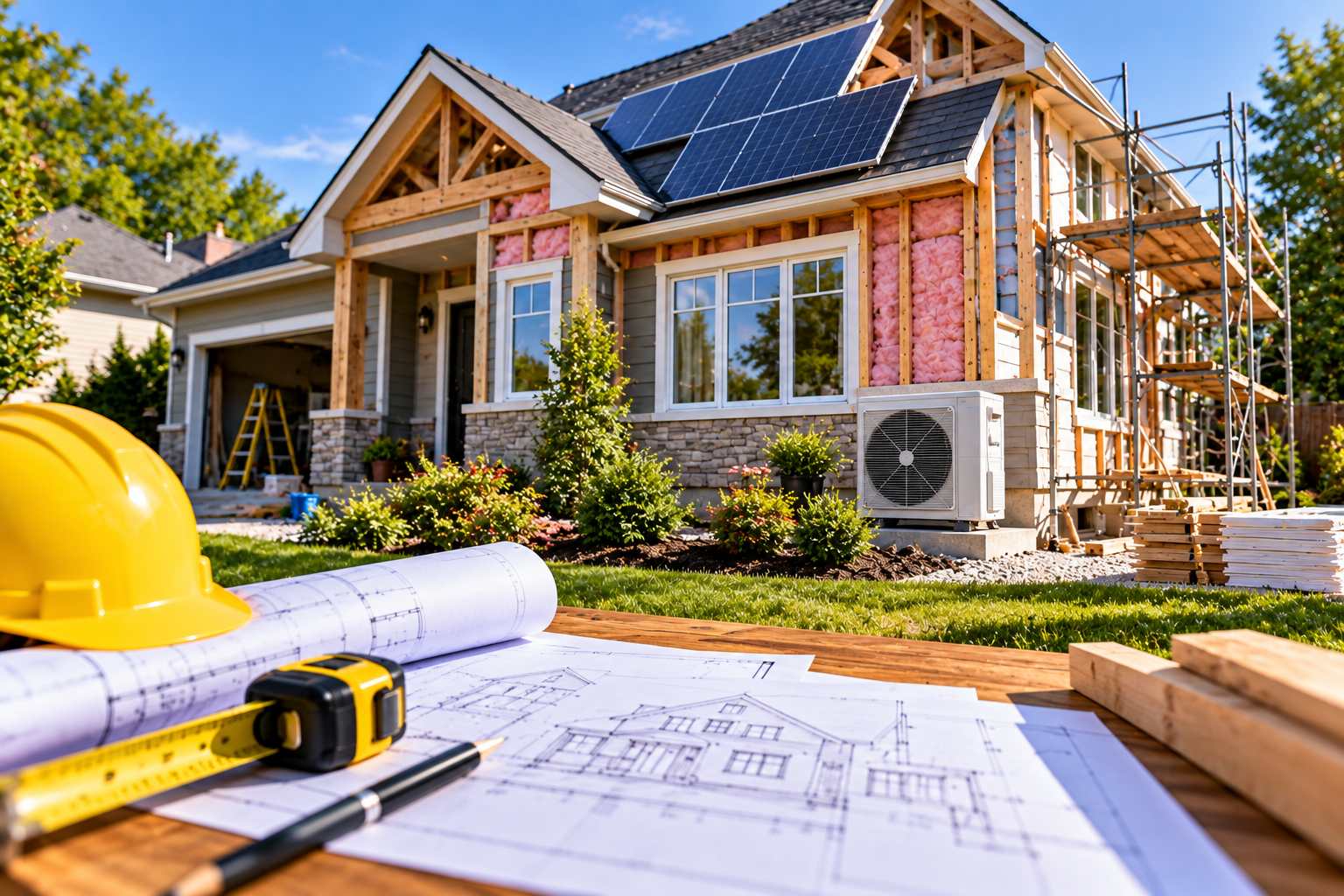
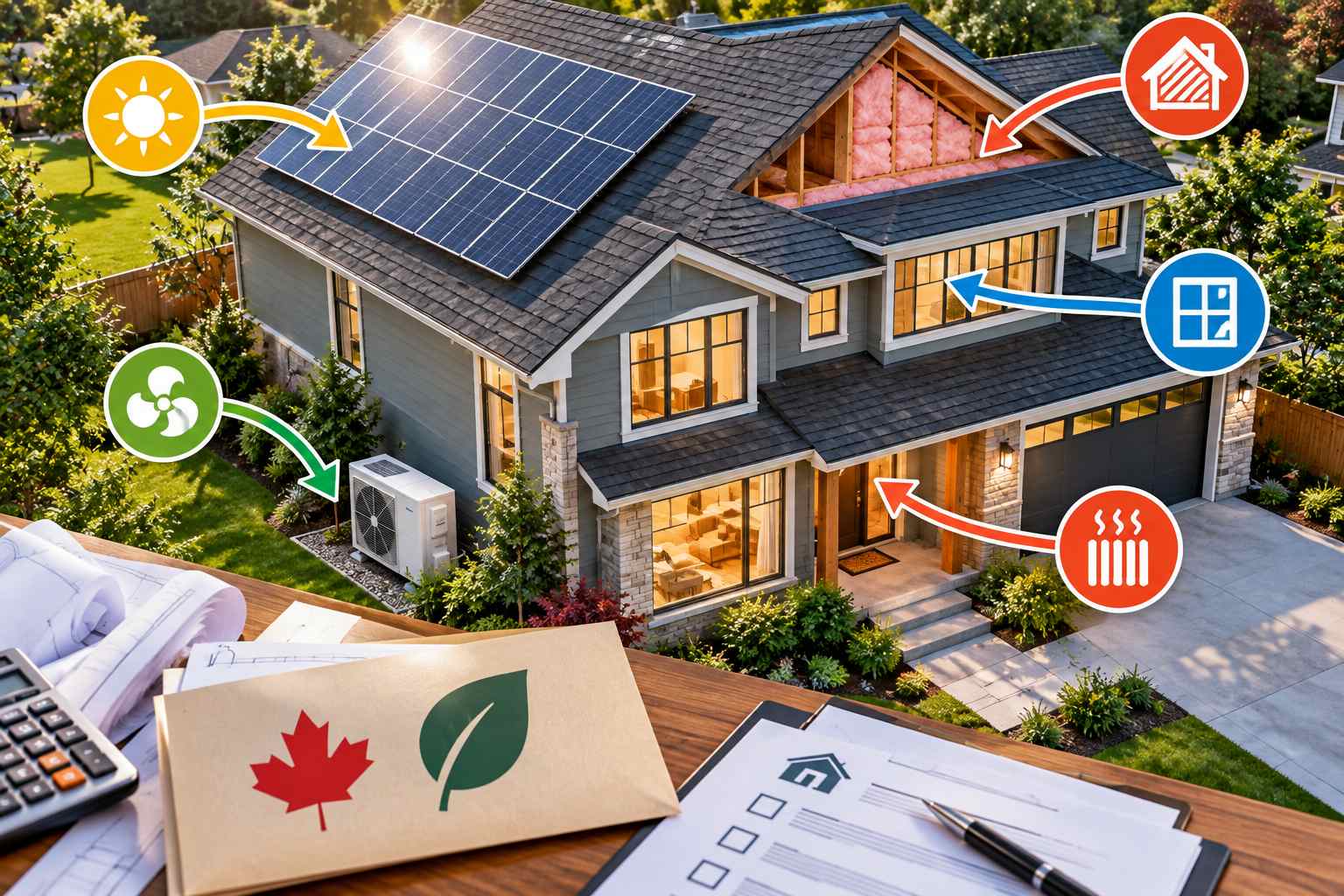
If you’re already arranging a heat pump installation, it’s worth considering other energy-saving improvements at the same time. One contractor may be able to coordinate several upgrades, potentially reducing disruption and overall costs, although some jobs require separate specialists.
Attic, wall and basement insulation: Reduces heat transfer, helping your home stay warmer in winter and cooler in summer.
Energy-efficient windows and doors: Reduce drafts and heat transfer through aging openings. For budgeting purposes, consider how tariffs may affect renovation material costs.
Air sealing: Closes leaks around penetrations, joints and openings that waste conditioned air.
Heat pump water heater: Uses heat from surrounding air to heat domestic water more efficiently than conventional electric resistance heating.
Solar panels: Generate electricity that may offset part of your home’s electrical consumption.
Electrical panel upgrade: Makes room for additional electrical loads when an electrician determines that existing capacity is insufficient.
Heat recovery ventilation: Supplies fresh air while recovering some energy from exhausted indoor air.
The order matters: improving insulation and air sealing before sizing a heat pump may avoid purchasing more heating capacity than necessary. If you are purchasing a home that needs several upgrades, your mortgage amortization can also affect how much room you have in your monthly budget for renovations. A longer amortization may reduce payments but increase total interest costs, as explained in my article on 25-year versus 30-year mortgage amortization.
Other Renovation Rebates
Municipalities may also offer energy-efficiency incentives. Ontario’s Home Renovation Savings program includes incentives for qualifying projects such as:
- Insulation
- Windows and doors
- Air sealing
- Heat pumps
- Heat pump water heaters
- Solar and battery storage
Requirements vary by measure, and some pathways require an energy assessment or pre-approval.
The federal Canada Greener Homes Affordability Program is aimed at eligible low-to-median-income households through participating delivery partners. It differs from the former Greener Homes Grant and Loan. Verify geographic availability and whether incentives can be combined before work begins.
How to Finance Heat Pump Renovations
- Mortgage refinancing: Access home equity; replacing an existing mortgage may trigger penalties and fees.
- Home equity line of credit (HELOC): Borrow as bills arrive; variable rates can change.
- Second mortgage: Borrow against property equity without necessarily replacing the first mortgage, potentially at a higher cost. A second mortgage used to finance renovations should not be confused with one used to prevent a power of sale. The same type of loan can serve very different purposes, including urgent situations involving private lenders.
- Purchase-plus-improvements mortgage: Finance eligible renovations alongside a home purchase, subject to lender approval. This may also be possible with an insured high-ratio mortgage; CMHC Improvement permits qualifying purchases with less than 20% down.
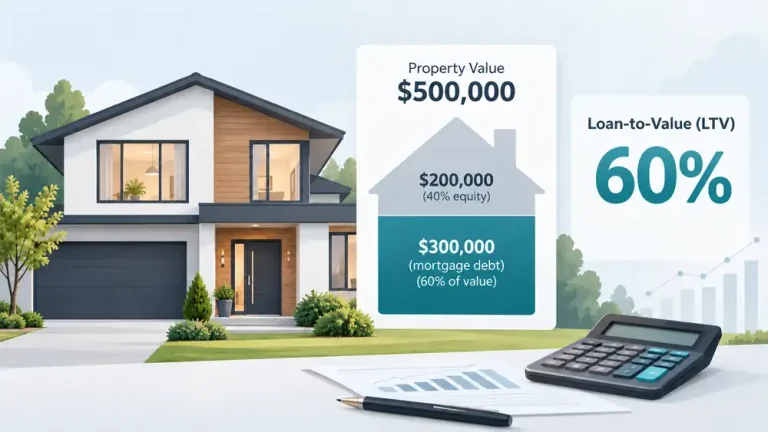
The right structure depends on available equity, project cost, existing mortgage terms, income and the timing of contractor payments. A lender will consider the loan-to-value ratio when determining how much equity-backed financing is available.
What Will the Lender Ask?
Lenders examine how your income is assessed, including the stability and source of your earnings. They also consider your existing monthly obligations.
Your credit score can influence which lenders and rates are available. Past payment behaviour matters alongside the renovation budget.
Finally, lenders calculate GDS and TDS ratios to assess whether the proposed payments are affordable.
For some renovation financing, a lender may request an as-completed appraisal: an estimate of what the property should be worth after the proposed improvements are finished. This is not a guarantee of the eventual sale price.
Large Projects Drawdowns
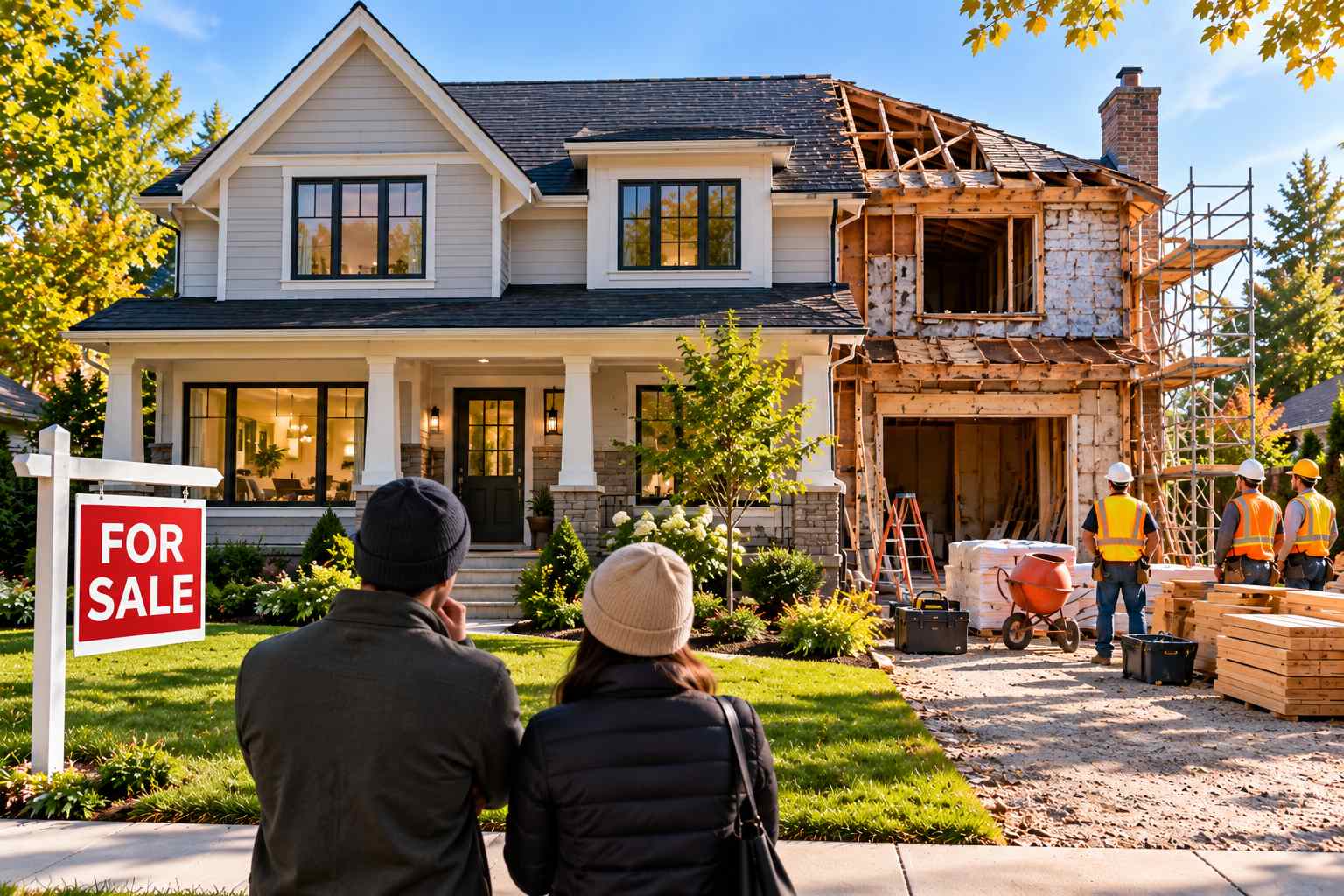
For substantial projects, a lender may release funds through progress draws rather than advance the entire budget on day one. A draw can follow completion of an agreed milestone, supported by an inspection or other evidence. Lenders may also impose holdbacks or conditions to address construction and lien risks.
Contractors may require deposits or payments before the next draw arrives. Ask when draws are released, who pays inspection fees, what documentation is required and how overruns will be funded.
Need substantial funds quickly and expect to repay within a year? Private lenders may be an option, but understand the costs before borrowing.
Renovations ? = ? House Value
A more efficient house may be cheaper to operate, more comfortable and more appealing to certain buyers. But energy savings do not automatically translate into an equivalent increase in market value. A $30,000 renovation does not necessarily increase an appraisal by $30,000; value depends on comparable sales and what buyers are willing to pay.
Compare projected monthly savings, borrowing costs, rebates and the personal value of the improvements—even if the eventual resale premium is modest.
Tariff tensions with the US and supply-chain changes can also affect the prices of imported heat pumps, windows and building materials. Get updated quotes and allow room for cost increases; see how U.S. tariffs can affect renovations.
Location Matters
Buying in a municipality with lower-than-average home prices may leave more of your budget available for energy-efficient improvements. Compare the purchase price and renovation costs together rather than focusing on either alone. Some Ontario municipalities are also exploring ways to reduce development costs and encourage more affordable new construction. Read about lower Ontario new-home prices and the measures influencing them.
A home in a colder province may benefit most from insulation and cold-climate heating performance, while a hotter region may prioritize cooling, shading and ventilation. Equipment availability and installation costs can also vary across provinces, a related consideration in interprovincial trade barriers and mortgages.
More frequent extreme heat may also make efficient cooling an important consideration for buyers. Learn more about heat waves and house prices for the broader housing-market connection.
What About Rural Properties?
Rural homes can be harder to finance because some lenders restrict eligible locations, property types or maximum loan-to-value ratios. That can affect renovation financing and HELOCs too; see refinancing a rural property.
Plan the improvements and financing together. Get written quotes, verify rebates before starting, and confirm with a mortgage professional how much you can borrow and when funds will be available.