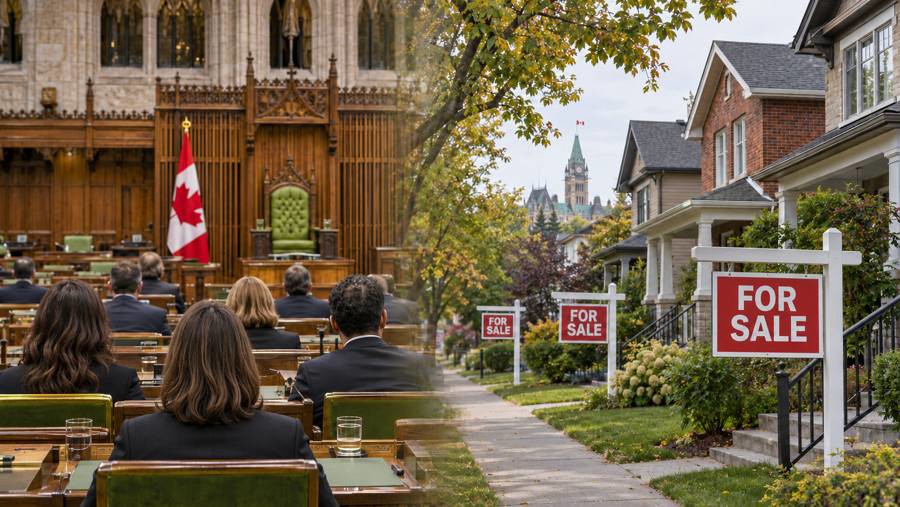
For homebuyers, the practical question is whether the measures reduce cash needed at closing, monthly ownership costs or the amount a lender will approve.
What Did Ottawa Announce?
Finance Minister François-Philippe Champagne released Budget 2026 on November 5. Its housing package includes $44.7 billion over 11 years on a cash basis, directed toward homelessness, non-market housing and the broader housing market. This national funding package does not provide an equivalent rebate to each buyer. Read the budget highlights.
The distinction matters because budget proposals can require legislation, regulations or program implementation before people can use them. An announcement alone does not establish that a benefit is available for your closing.
Could Mortgage Shopping Become Easier?

The budget announces plans for regulations that would improve publicly available information about insured mortgage rates. The stated purpose is to make comparison shopping easier. The announcement does not promise a particular interest rate or establish that every borrower will receive a lower payment. Review the mortgage announcement.
When comparing offers, look beyond the advertised interest rate. Ask about penalties, prepayment privileges, fees and any conditions attached to the offer. A mortgage should fit how long you expect to keep the property and whether you may need to refinance. Our comparison of 25- and 30-year amortizations explains another trade-off to consider when comparing payments and total interest.
What Housing Rebates Already Exist?
The federal first-time home buyers’ GST/HST rebate is existing relief, rather than a new benefit created by today’s announcement. Eligible buyers of newly built or substantially renovated primary residences may recover up to $50,000 of federal sales tax. It does not apply to an ordinary resale purchase simply because the purchaser is buying their first home. The rebate does not change the minimum down-payment rules that may apply to an insured mortgage. Check the federal eligibility.
Ontario’s enhanced new-housing rebate has separate eligibility conditions. For purchases from builders, its agreement window generally runs from April 1, 2026, through March 31, 2027. Other requirements also apply, so signing within that window does not establish eligibility by itself. Review Ontario’s rebate conditions.

Before counting a rebate toward your purchase, have your lawyer confirm how it is credited, who receives it and what happens if you do not qualify. Your closing calculations should reflect the actual agreement and applicable rules. For a separate closing-cost benefit, our article on Ontario’s first-time homebuyer refund explains the eligibility checks to discuss with your lawyer.
There is also a difference between qualifying and affording. A lender’s approval does not tell you how comfortable the payments will feel after groceries, transportation, insurance, maintenance and other household expenses. Ontario’s financial regulator expressly warns that qualifying does not always mean a mortgage is affordable. Review Ontario’s mortgage guidance.
Could More Construction Improve Affordability?

Budget 2026 proposes an additional $13 billion over ten years, starting in 2028–29, for Build Canada Homes. The government’s objective is to expand non-market housing—housing provided outside ordinary market pricing arrangements. Whether this makes homes more affordable locally will depend on the projects delivered, as our article on Ontario’s regional housing outlook helps explain. Read the housing proposals.
The practical implication is longer-term supply support, rather than immediate purchase assistance. Whether that improves affordability in a particular community will depend on the homes delivered, their pricing and timing, and local demand. The announcement provides no reliable basis for predicting what a specific property will sell for. For homeowners considering adding housing on their own property, our guide to financing basement apartments and garden suites explores the borrowing decisions involved.
What Should You Do Next?
Before changing your purchase budget, identify which cost changes: the purchase price, closing funds, mortgage payment or ongoing household expenses. Then confirm eligibility and implementation dates against your own transaction.
For Ontario new-build buyers, check provincial deadlines separately from federal announcements. Ask your mortgage professional and lawyer to reconcile the purchase agreement, rebate treatment and financing before you remove conditions or commit additional money.
Housing announcements become useful when they translate into verified numbers for your household. Until then, keep your buying decision grounded in the financing available to you and the monthly costs you can comfortably carry.