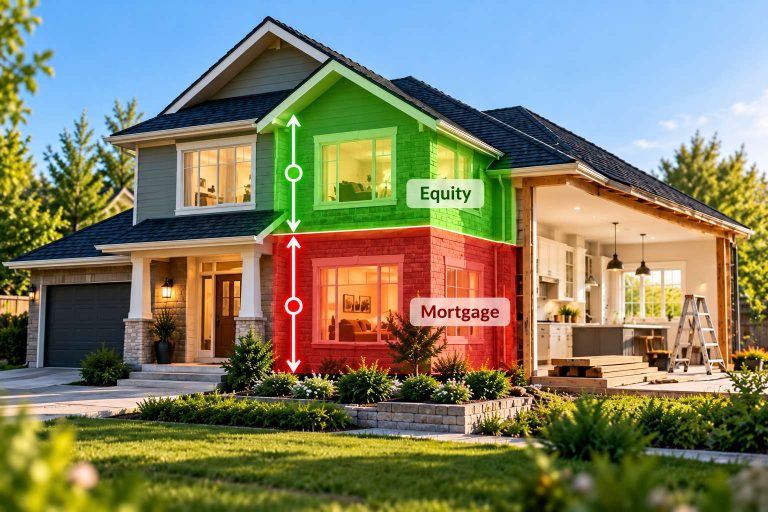
Even a cheaper home can cost more each month when mortgage rates rise.
Table of Contents
CREA Has Cut Its 2026 Sales Forecast Again
On October 16, 2026, the Canadian Real Estate Association (CREA) forecast 444,530 residential sales in 2026—a 5.2% decline from 2025. In July, it had projected 463,336 sales. CREA now expects the national average selling price to rise just 0.2% to $681,681, with Ontario’s provincial average falling 3%. These are projections, not guaranteed results, as explained in CREA’s official October forecast.
A 3% drop in the provincial average does not mean every Ontario house is worth 3% less. The mix of locations and properties sold affects averages. Recent differences across Ontario housing markets are a reminder that local comparable sales matter.
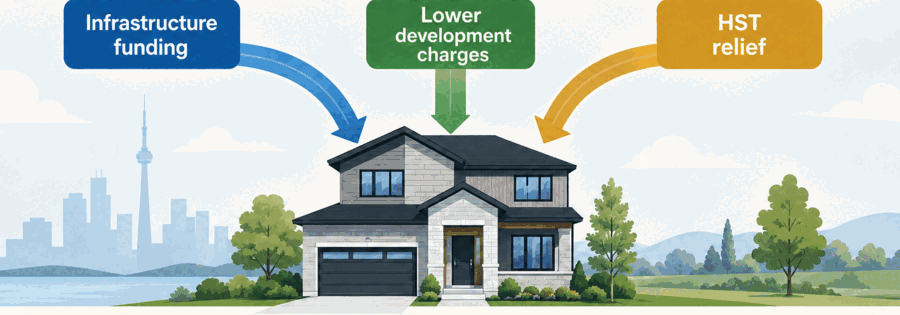
Why Aren’t Prices Falling as Fast as Sales?
Sales measure how many properties change hands. Prices measure what buyers pay for properties that actually sell. They need not move together. If both buyers and sellers step aside, transactions can decline without an equally large fall in sale prices. Prices can also reflect construction costs and builders’ pricing decisions, which are central to Ontario’s new-home price measures. These are possible market mechanisms, not explanations proven for every local market.
CREA forecasts price declines in Ontario and British Columbia offset by increases elsewhere. A national average can therefore conceal significant local differences. Instead of relying on one headline, check recent comparable sales and remember that property values affect mortgage lending when an appraisal comes in below the agreed purchase price.
Can a Lower Price Mean a Higher Payment?
Absolutely. CREA links its downgraded sales outlook to rising fixed mortgage rates and uncertainty over variable-rate borrowing costs. The same pressures discussed in bond yields and fixed mortgage rates can outweigh a modest price reduction.
Assumption — illustrative example:
- Property value: $700,000
- Down payment: 20% ($140,000)
- Mortgage amount: $560,000
- Mortgage rate: 4.25%
- Amortization: 25 years
- Monthly principal and interest: approximately $3,022
If the home’s price falls 3% to $679,000 but the mortgage rate rises, the new financing looks like this:
- Property value: $679,000
- Down payment: 20% ($135,800)
- Mortgage amount: $543,200
- Mortgage rate: 4.75%
- Amortization: 25 years
- Monthly principal and interest: approximately $3,082
The buyer pays $21,000 less for the property but approximately $60 more each month in principal and interest. The figures use Canadian semi-annual interest compounding and exclude property taxes, insurance, fees and utilities.
What Happens to Rental-Property Cash Flow?
A lower purchase price may help an investor, but higher interest charges can put pressure on monthly cash flow. Investors should compare borrowing costs with rent, vacancies, maintenance, taxes and insurance rather than assuming a discounted property is automatically profitable. The economics of financing basement apartments and garden suites also depend on construction costs and realistic future rent.
The lending calculation adds another layer: lenders may count only eligible rental income, under rules that vary by institution and application. This is part of how banks analyze your income when assessing a mortgage application. Falling rents and their effect on rental-property mortgage qualification deserve attention alongside prices.
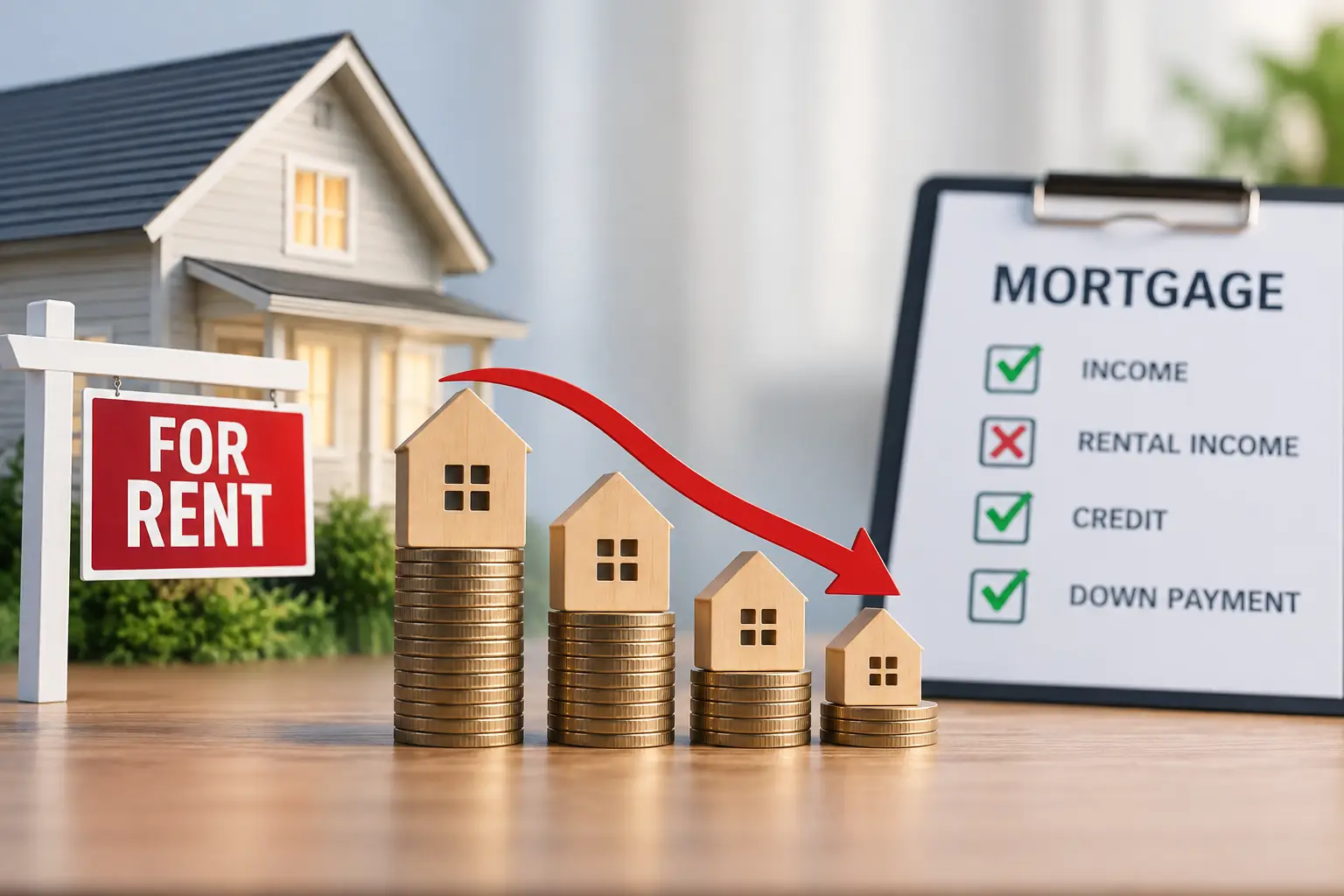
Why Mortgage Approval May Still Be Difficult
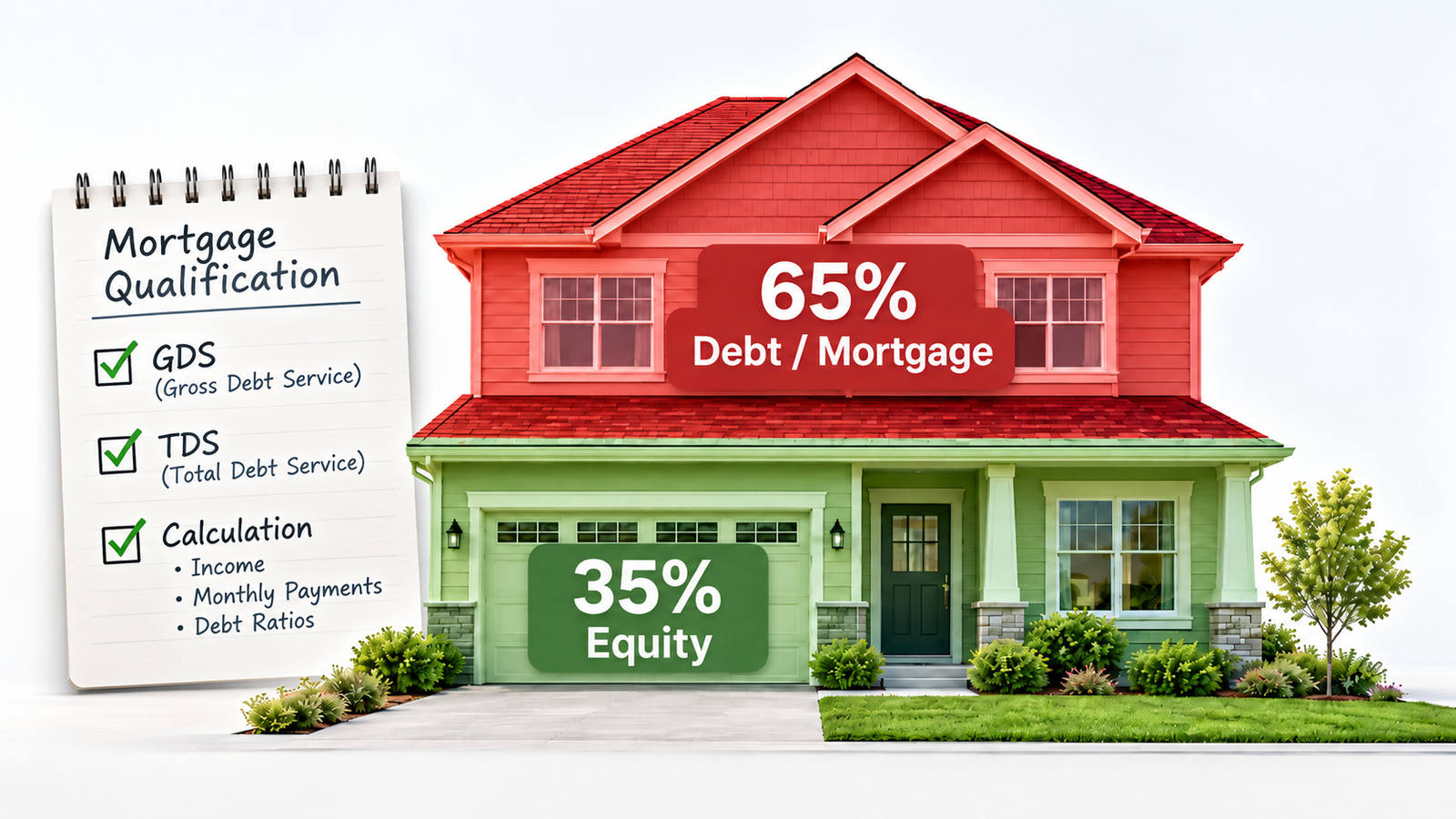
Even if a property costs less, a higher qualifying rate can make it harder to borrow. For most newly underwritten uninsured mortgages at federally regulated lenders, OSFI sets the minimum qualifying rate at the greater of the contract mortgage rate plus two percentage points or 5.25%. Other mortgage categories and lenders can have different rules.
Lenders also examine income, credit, existing debts, property type and the down payment. A buyer may therefore qualify for less, even in a softer housing market. The mechanics of mortgage stress tests and debt ratios help explain the difference between a listed price and an affordable one.
What Should Ontario Buyers Actually Compare?
Compare similar recently sold homes in the neighbourhood, your available mortgage rate, down payment, closing costs and monthly carrying costs. Property taxes, insurance, utilities and condo fees can reduce the savings from a lower purchase price.
Compare the structure of the mortgage too. Choosing a longer amortization may reduce the payment while raising total interest, as shown by 25-year versus 30-year mortgages. Borrowers with less than 20% down should also account for mortgage default insurance requirements.
The Real Housing-Affordability Question
CREA’s weaker forecast indicates softer national housing activity, not an assured bargain on every Ontario home. Falling sales do not automatically produce equal price declines, and lower prices do not guarantee lower payments.
Before buying or waiting, compare the total monthly cost of the specific home at an available mortgage rate and the amount you can actually qualify to borrow. The income needed to buy a home depends on those numbers—not Canada’s average selling price alone.