Your home may already hold the money for a beautiful redesign—but could borrowing against it cost more than you expect?
Table of Contents
How Much Equity Can You Access?
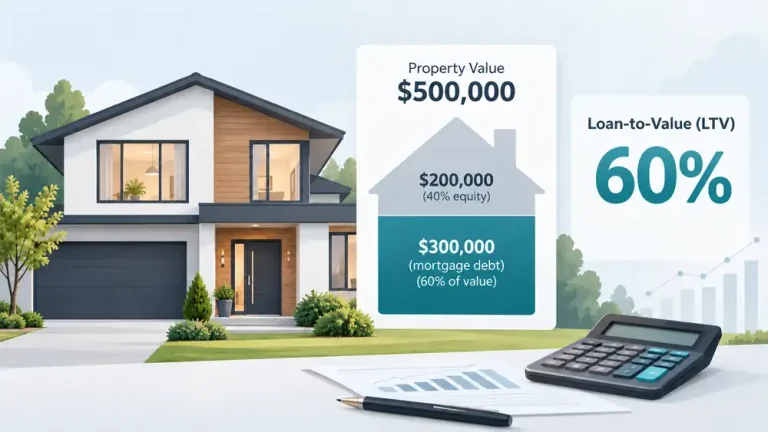
Home equity is the difference between what your property is worth and what you owe against it. Assumption — illustrative example: A home valued at $800,000 with a $400,000 mortgage has $400,000 in equity. That does not mean the entire amount is available to borrow.
Federally regulated lenders generally limit combined home-secured borrowing to 80% of appraised value, with additional limits on revolving HELOC credit. Income, credit and other debts also affect eligibility. Understanding loan-to-value and available equity is a useful first step.
Refinancing for Major Renovations
Refinancing replaces your current mortgage with a larger loan and can provide a lump sum for a new kitchen, bathrooms or custom cabinetry. Assumption — illustrative example: Increasing a $400,000 mortgage to $475,000 could release $75,000 before fees, subject to approval.
But breaking an existing mortgage can trigger a prepayment charge, and refinancing may involve legal and appraisal expenses. A new mortgage may also need to meet applicable stress-test and debt-ratio requirements. Compare total costs, not only the new monthly payment.

Using a Home Equity Line of Credit
A home equity line of credit (HELOC) can be helpful when design costs arrive in stages. You might pay the designer’s deposit now, order cabinets later and pay the contractor after installation. Interest generally applies only to amounts drawn.
HELOC rates are typically variable, however, and interest-only payments will not pay down the principal. Set a repayment plan before borrowing. For projects involving heating or efficiency upgrades, see my guide to financing energy-efficient renovations.
Smaller Interior Design Projects
A full mortgage refinance may be excessive for new flooring, lighting, built-in shelving or a modest room redesign. An existing HELOC or unsecured line of credit may offer more flexibility. A second mortgage is another possibility, although rates and fees can be higher.
Consider the entire financing cost and how payments fit your household budget. Lenders assess more than home equity; my explanation of how banks analyze your income shows why income documentation matters.

Will Improvements Increase Home Value?
A beautifully designed kitchen or bathroom may improve daily enjoyment and resale appeal, but a $60,000 project does not automatically add $60,000 to the appraised value. Design choices, workmanship and local buyer demand all matter.
Some renovations also create income opportunities, such as a legal rental suite. Those projects involve different rules and costs. My article on rental income and mortgage approval explores some of the qualification considerations.
Plan Before You Borrow
Before signing a contract, request a written scope and payment schedule. Include design fees, materials, labour, taxes, permits where required and a contingency for surprises. Confirm when financing will be available relative to contractor deposits and progress payments.
Ask what happens to your existing mortgage if you refinance, and whether the project still makes sense if borrowing rates or renovation costs rise. Review GDS, TDS and mortgage qualification before committing to a payment you may carry for years.
Final Thoughts
Interior designers can help create the space you want. A mortgage agent can help you compare the financing options. Before using home equity, weigh the full borrowing cost against your goals and how quickly you can repay the debt.