Could the space you already own help pay for your next rental property?
Table of Contents
Can You Use Home Equity to Build a Rental Unit?
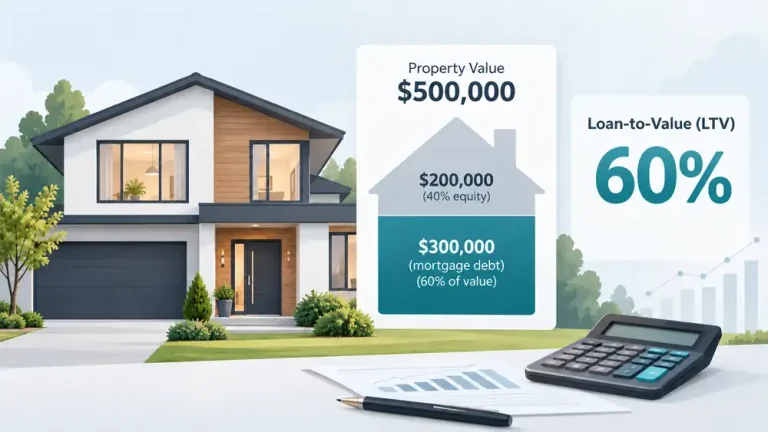
A refinance may let you replace your existing mortgage with a larger one and use some of the proceeds for construction. A home equity line of credit (HELOC) offers flexible access to approved funds, while a second mortgage can leave your first mortgage in place. Each option has different rates, fees and repayment obligations. The amount available depends on your property’s value, existing debt, income and lender rules. If you are weighing these choices, see my guide to loan-to-value ratios.

Financing a Basement Apartment
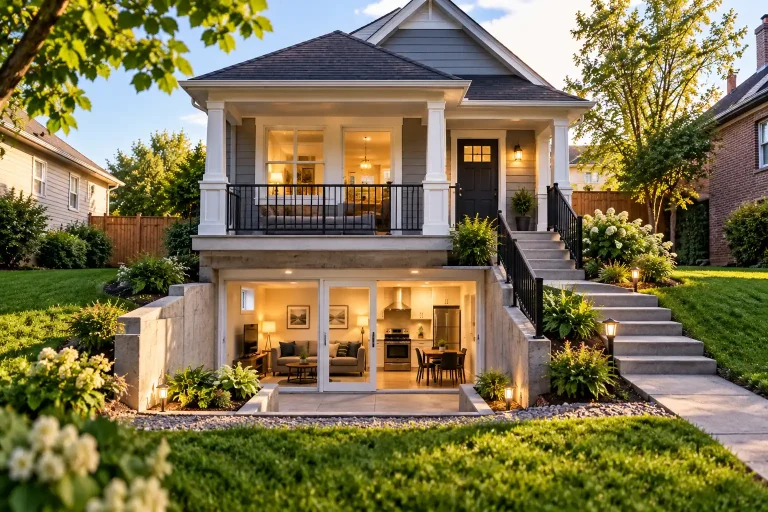
Turning a basement into a rental apartment can involve plumbing, electrical work, fire separation, entrances and permits. Before borrowing, ask your contractor for an itemized budget and confirm municipal requirements. A lender may also want quotes, proof of income and an appraisal. A basement that looks rentable is not necessarily a legal dwelling unit. Financing approval does not replace municipal approvals. For a better sense of borrowing capacity, read how lenders assess debt ratios.
How Do You Finance a Garden Suite?
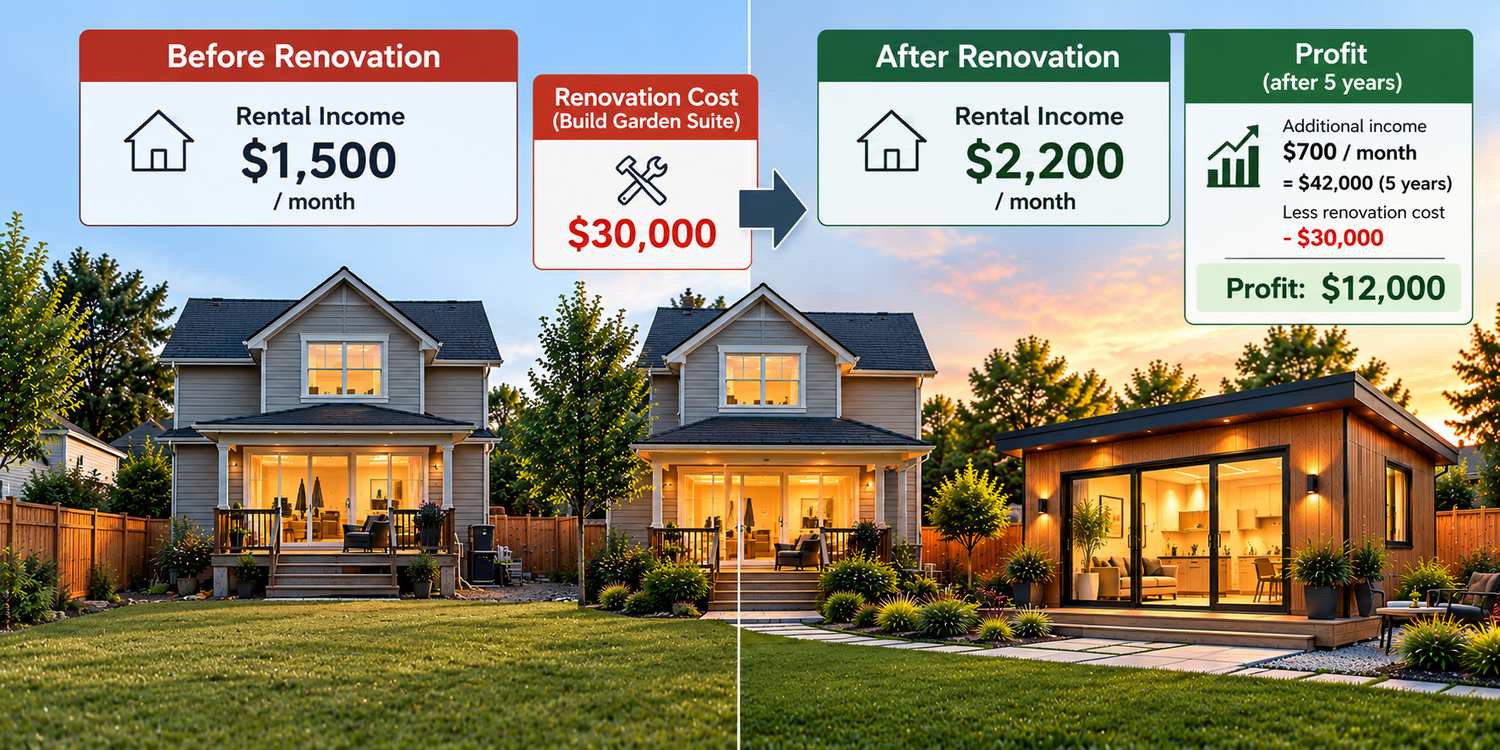
A garden suite can be a larger project than a basement conversion because it may require a separate structure, servicing, foundations and site work. Some lenders assess the finished property’s expected value; others focus more heavily on current equity and documented construction costs. Construction financing may release funds in stages after inspections, so your contractor’s deposit schedule and the lender’s draw schedule need to align. Ask about permits, zoning and utility connections before committing. Understanding your available equity is a useful starting point.

Can Future Rent Help You Qualify?
Potential rent can strengthen a financing application, but lenders do not necessarily count every dollar. Their treatment of rental income varies with the property, unit legality, lease or market-rent evidence and mortgage product. Some use only a portion of rent; others apply different offset or add-back methods. Do not assume projected rental income will automatically qualify you for a larger loan. Your employment income, other debts and the mortgage stress test may still limit what you can borrow.

What If Construction Costs Run Over Budget?
Renovation budgets can change after walls are opened or servicing work begins. Build a contingency into your plan and ask your lender whether additional funds could be available before work starts. For a large short-term funding gap, private financing might be an option if you have a credible exit plan, but interest, lender fees and legal costs can be substantial. Review my guide to private lenders before considering that route.
Will the Rental Unit Increase Your Property Value?
An additional legal rental unit may make a property more attractive to certain buyers, but an appraisal is not guaranteed to increase by the amount you spend. Lenders may consider comparable sales, permitted use, local demand and the completed condition. Even when a renovation increases value, refinancing still depends on equity, affordability and the lender’s policies. Compare construction costs with realistic rent, ongoing maintenance, taxes, insurance and vacancies before proceeding. Revisit how loan-to-value affects borrowing when evaluating the finished project.
Summary
Financing a basement apartment, garden suite or rental renovation starts with understanding how much equity you can access and what mortgage payments you can afford. Refinancing, a HELOC, a second mortgage or construction financing may be suitable depending on the property, your income and the project’s scope.
Before committing to construction, confirm municipal approvals, prepare a realistic budget with a contingency, and ask how your lender will assess any projected rental income. A completed rental unit may add value, but neither the rent nor an increase in appraised value is guaranteed. Reviewing the financing plan before signing a construction contract can help you avoid costly surprises.