
Ontario borrowers can face two pressures at once: higher borrowing costs and less certainty about the income needed to carry them.
What Did the GDP Report Show?
Statistics Canada’s October 30 release confirmed that real gross domestic product, the inflation-adjusted measure of economic output, was essentially unchanged in August. It was the second consecutive flat month, with nine of 20 industrial sectors expanding. Read the official August GDP release.
The agency’s advance estimate pointed to a 0.1% September decline and approximately 0.3% growth over the third quarter. Those September and quarterly figures are preliminary; official September industry data and quarterly income-and-expenditure GDP are scheduled for November 30.
Two flat months signal weak recent momentum, but alone do not establish a recession.
Why Raise Rates When Growth Is Weak?
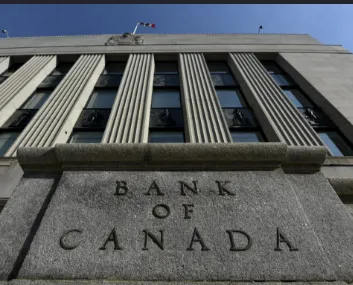
Statistics Canada’s GDP report confirms two consecutive flat months through August, evidence of weak recent growth.
On October 28, the Bank of Canada raised its overnight policy-rate target by 0.25 percentage points to 2.50%. That decision preceded the GDP release by two days. Its earlier growth forecast was stronger than the subsequent GDP estimate.
The Bank cited persistent inflation risks from energy costs spreading into other prices. Its concern was that higher production and transportation expenses could keep inflation elevated. Read the Bank’s official rate announcement.
This is the trade-off: increasing rates can restrain spending while policymakers try to prevent broader price increases. Weaker growth could make that balancing act harder. It does not prove the Bank will reverse its decision at the next meeting.
Do All Mortgage Rates Rise?

The Bank sets a policy rate; lenders set mortgage rates. Variable mortgage rates generally follow a lender’s applicable prime rate, with a contractual discount or premium. Your own agreement determines how a change reaches your loan.
With an adjustable payment, a higher variable rate generally raises the required payment. With fixed-payment variable mortgages, the payment may initially stay unchanged while more goes to interest and less reduces the balance. Contractual trigger provisions can require action later. See FCAC’s mortgage interest guide.
An existing fixed-rate mortgage generally keeps its contracted rate until the term ends. New fixed offers reflect bond yields and lender funding costs, among other factors. A policy-rate increase does not mechanically raise every fixed offer by the same amount.
Could Weaker Income Affect Mortgage Approval?
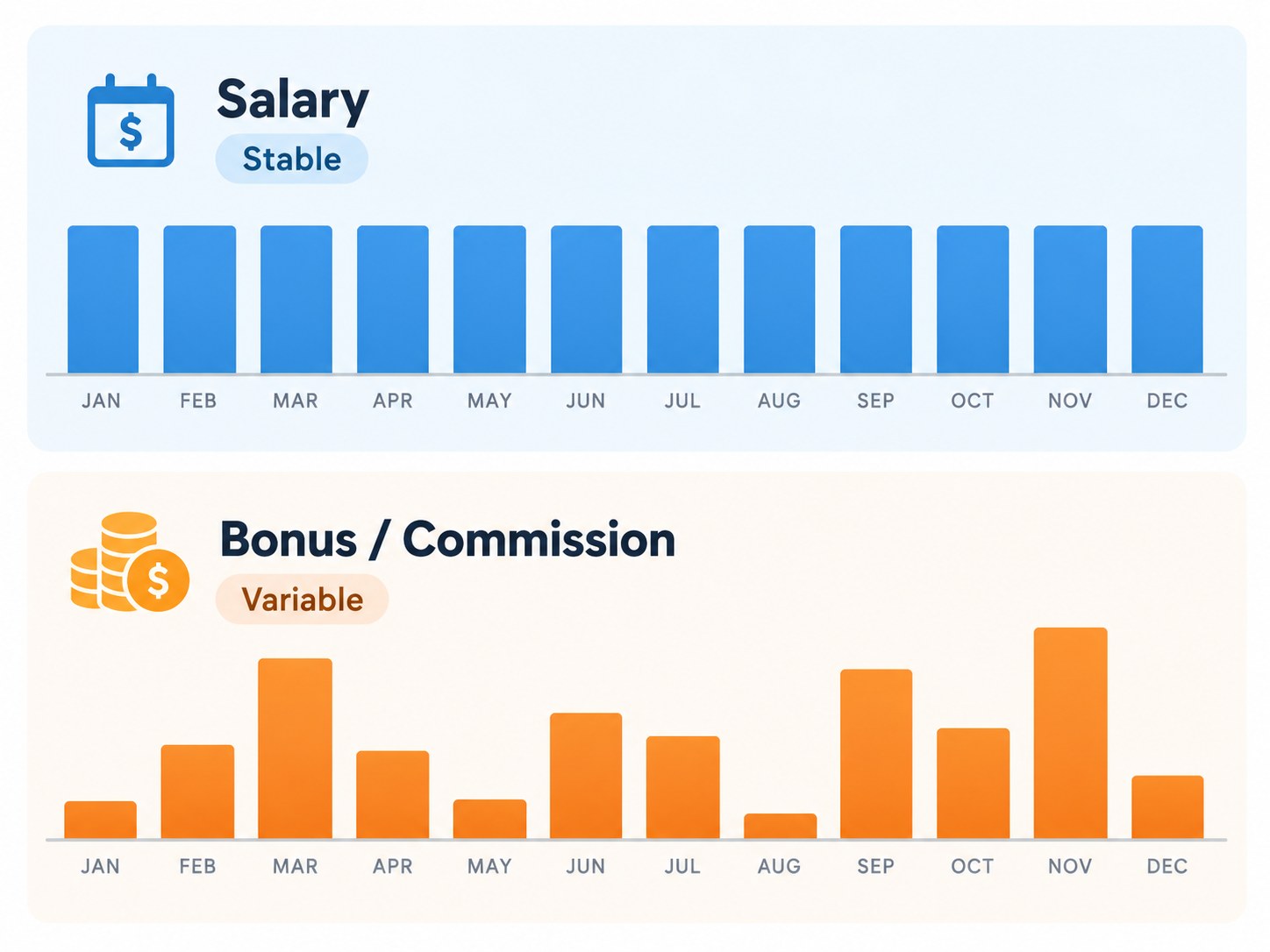
It’s possible that a slowdown could leave some households with less reliable income, through reduced hours, commissions or employment disruption. The GDP release does not establish that any specific borrower will lose income. Lenders assess the applicant’s actual circumstances and income documentation.
For most new uninsured mortgages at federally regulated lenders, the qualifying rate is the greater of 5.25% or the contract rate plus two percentage points. This stress test checks borrowing capacity using a higher rate than the actual contract rate. Read OSFI’s qualifying rate requirements.
For example, assume an applicant’s offered rate rises from 4.50% to 4.75%, with other factors unchanged. The corresponding stress-test rate rises from 6.50% to 6.75%. This could reduce maximum borrowing capacity; the exact change requires a lender calculation.
Household affordability is a separate question from approval. A lender’s approval does not establish that the remaining cash comfortably covers groceries, childcare and unexpected costs. Our guide explains how banks analyze income.
What Should Borrowers Check Now?
Before buying or refinancing, confirm current qualifying income, the lender’s rate and your cash reserve. If your hours or employment change before closing, tell your mortgage professional promptly so financing can be reassessed.
Existing borrowers should check their payment structure and ask the lender how the rate change affects their account. If income has fallen, discuss options before missing a payment. Read our article on mortgages after job loss.
The next scheduled Bank decision is December 9, 2026; its outcome and each borrower’s eventual costs remain unknown. Build today’s budget around verified income and available mortgage terms, with room for an adverse change.