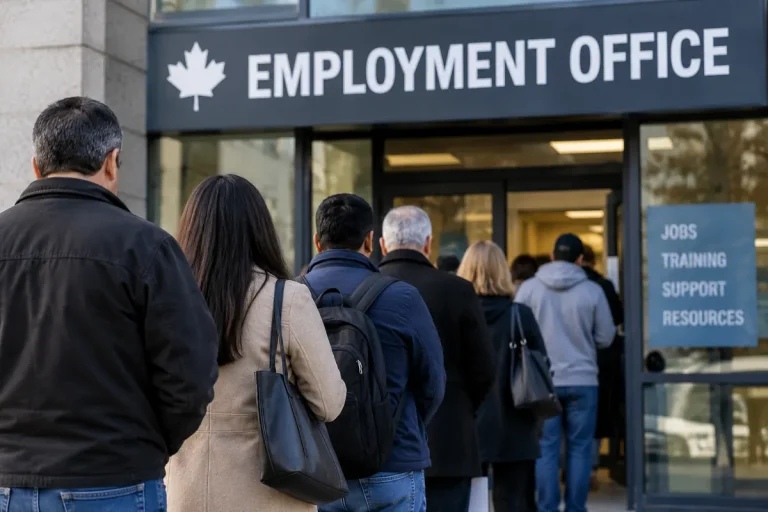
Ontario announced plans on October 23, 2026, to introduce optional digital identification that residents could eventually carry on their smartphones. Consultations will begin in late 2026, starting with a digital Ontario Photo Card. Digital driver’s licences and health cards could follow later.
For anyone buying a home, refinancing a mortgage or simply owning property, the bigger question is: Could digital identification stop criminals from borrowing money against your home—or introduce entirely new opportunities for fraud?
The answer depends on how Ontario designs its system and whether mortgage lenders can use it securely. Ontario has not announced that the proposed digital credentials will automatically be accepted for mortgage transactions. Ontario’s October 23 announcement explains the plans.
Table of Contents
Why Do Mortgage Lenders Need Identification?
When you apply for a mortgage, a lender needs to know that you are who you claim to be. Ontario’s mortgage regulator, the Financial Services Regulatory Authority of Ontario (FSRA), calls for at least one valid government-issued photo ID and one secondary piece of identification in its mortgage-fraud guidance.
FINTRAC, Canada’s anti-money-laundering regulator, describes acceptable ways to verify identity, including government photo identification, a credit file and a dual-process method. Remote identity verification is possible when appropriate authentication procedures are followed. FINTRAC explains these methods.
But proving identity does not prove that someone’s income is genuine, that they own a property or that mortgage documents are authentic. Lenders still assess supporting documents, as explained in our article on how banks analyze income for a mortgage.
How Do Criminals Use Stolen Identities to Obtain Mortgages?

Consider one alarming form of real estate fraud: someone obtains enough personal information to impersonate a homeowner. Using forged identification and documents, the criminal may attempt to transfer ownership or arrange financing against the property without its owner’s authorization.
Title fraud can leave a homeowner confronting an unauthorized mortgage or fraudulent transfer. FSRA describes how thieves may use stolen personal information to secure a mortgage on a property and disappear with the proceeds. Read FSRA’s title-fraud explanation.
Mortgage fraud also includes fabricated employment letters, altered pay statements and false income information. Digital ID would not automatically identify these misrepresentations. See our article about mortgage fraud.
Could Ontario’s Digital ID Prevent Mortgage Fraud?
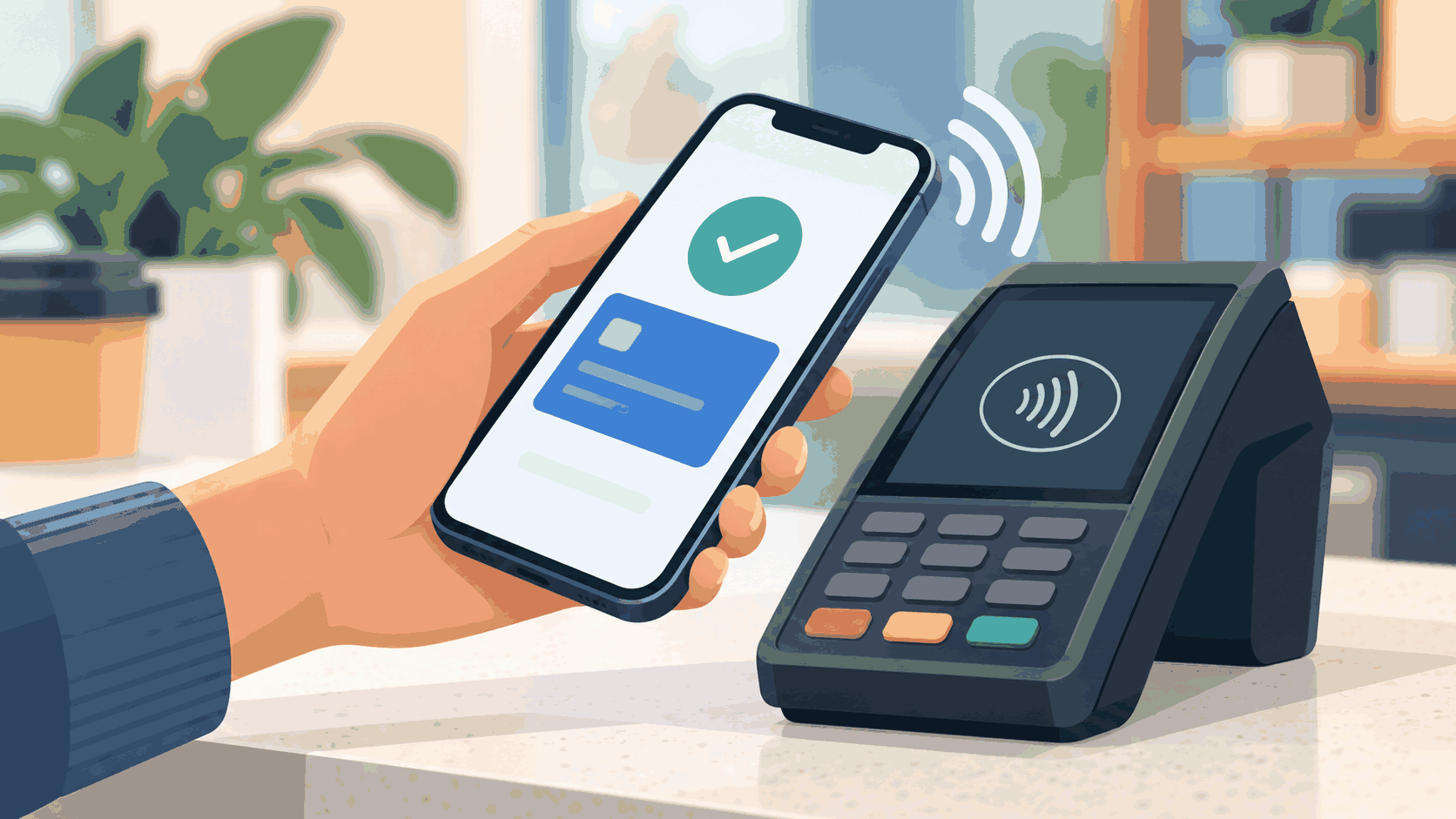
Potentially, yes—but only for certain kinds of fraud. Physical identification can be lost, stolen or counterfeited. A well-designed digital credential might make it easier for participating organizations to check whether an ID is genuine instead of relying on a photo of a plastic card.
Assumption: Ontario eventually introduces a digital credential that participating lenders can authenticate electronically, including checking that it is genuine and valid. Such a system could help with remote mortgage refinances.
However, Ontario has not confirmed that its proposed credentials will offer those specific mortgage-lender functions. Digital ID cannot replace checking property ownership, legal authority to borrow, employment and supporting financial records.
What If Someone Steals Your Digital Identity?
Digital identity creates different security challenges. Assumption: A future credential can authenticate remote transactions through a smartphone or online account. A criminal might try to steal account access, compromise credentials or trick someone into approving a fraudulent request.
Protection therefore requires more than an ID displayed on a screen. Secure authentication, revocation of compromised credentials and account-recovery procedures would be crucial.
Canadian privacy regulators have emphasized that digital ID systems need privacy safeguards, accountability and oversight. See the Privacy Commissioner’s discussion of digital ID safeguards.
A digital identity may be harder to counterfeit than a plastic card, but a compromised digital identity could still be dangerous.
Will Banks and Mortgage Brokers Accept Digital ID?
Not automatically. Ontario’s announcement does not establish that its proposed digital credentials will satisfy every identification requirement imposed on mortgage lenders, brokers or real estate lawyers. Their acceptance would depend on regulations, technical safeguards and institutional verification policies.
FSRA’s existing mortgage-fraud guidance specifically says Ontario health cards and Social Insurance Number cards should not be accepted as identification in mortgage brokerage transactions. Read FSRA’s fraud-prevention guidance.
Ontario says the digital option will remain voluntary. The province intends to introduce legislation in late 2027 safeguarding the right to obtain and use physical identification.
How Can Homeowners Protect Themselves Today?
Ontario homeowners already have tools to reduce their risk of identity-related mortgage fraud.
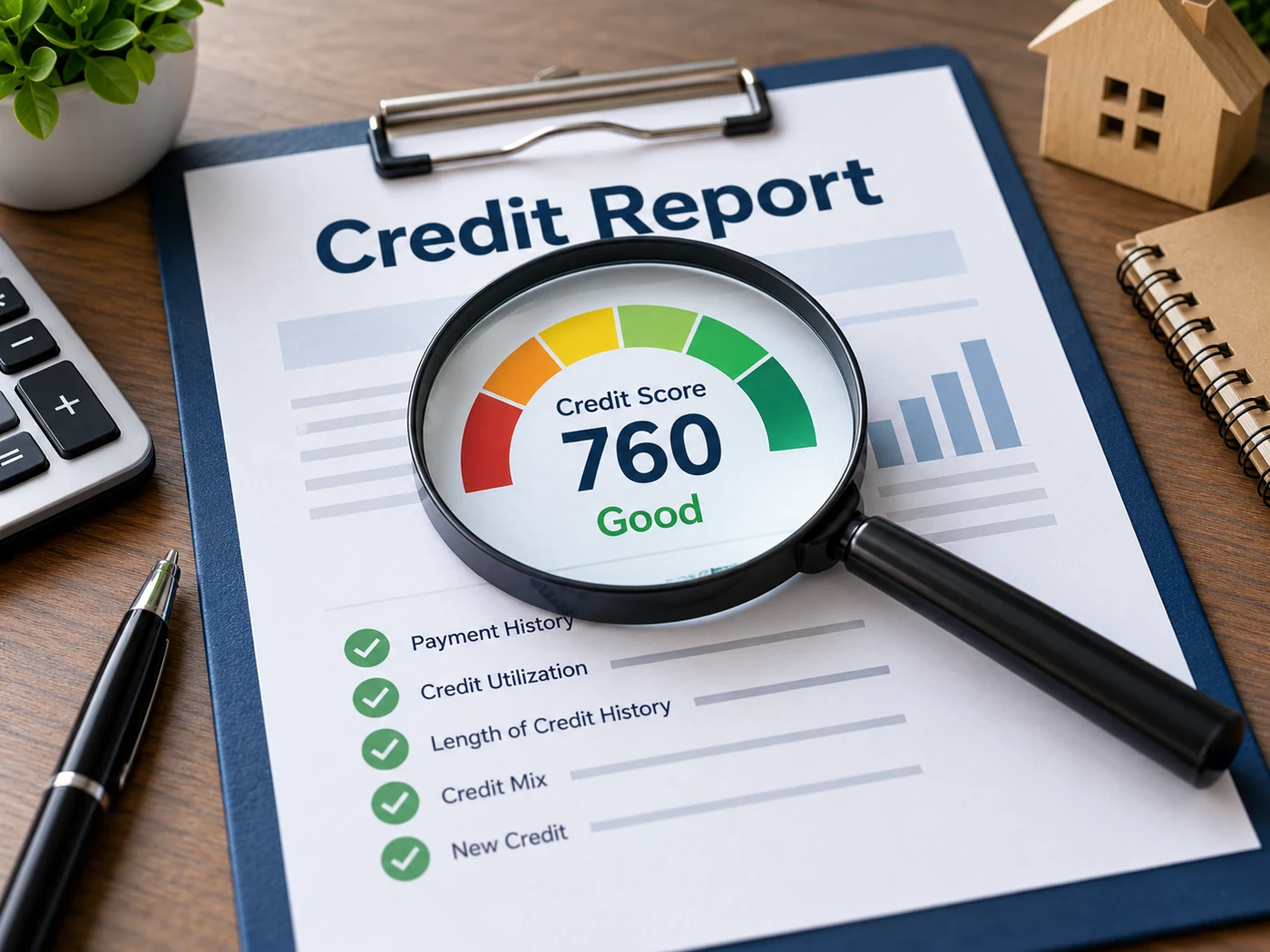
- Consider freezing both credit files. Since July 1, 2026, Ontario residents have been able to request free freezes from Equifax and TransUnion. These restrict some new credit checks, including those for mortgages. Contact both bureaus separately. As of October 2026, consumers who need new credit generally must remove a freeze and reinstate it afterward; temporary suspension is scheduled to become available in July 2027. Ontario explains the rules.
- Review credit reports regularly. Unexpected inquiries, loans or accounts may indicate identity misuse.
- Understand your title insurance. An owner’s policy may cover some title-fraud losses and legal expenses, subject to its terms. Read FSRA’s explanation.
- Protect personal documents and accounts. Do not send identification through suspicious links; use multifactor authentication where offered.
- Investigate suspicious property activity. If you suspect title fraud, speak promptly to your lawyer, lender and police.
Ontario’s digital ID initiative could eventually help mortgage applicants verify who they are, particularly for remote transactions. But even secure ID cannot prove that the entire mortgage application is legitimate.
The key question is not simply whether Ontarians can carry ID on their phones. It is whether mortgage lenders can authenticate that ID securely—and stop someone from borrowing against a home that isn’t theirs.