
A tariff-related cut to overtime could jeopardize an Ontario worker’s mortgage financing just days before closing—even if they never lose their job.
October 27, 2026 · Approximately 4-minute read
What Exactly Has Trump Changed?
On October 23, the White House announced changes to the Canadian products covered by additional 50% duties under Section 338 of the U.S. Tariff Act of 1930, effective October 30, 2026. Selected plywood, paper, packaging, machinery and refrigeration products are being removed from the list. Certain valves, carpets, waste products and other manufactured goods are being added.
This is not a general removal of the 50% tariff. The United States is modifying which products it covers. Its October 23 official tariff announcement also states that the additional duties can apply to covered goods even if they qualify under the Canada–United States–Mexico Agreement.

Why Could Ontario Workers Be Particularly Exposed?
Ontario has a large manufacturing and export economy. In its 2025–2026 workforce tariff-response plan, the province reported approximately 285,000 Ontario jobs, or 3.5% of employment, linked to U.S. exports. That measures Ontario’s exposure to American customers. It does not mean those jobs are at risk from this particular announcement.
Consider a manufacturer whose products become subject to the additional tariff. Its U.S. buyers could face higher prices, and orders or profit margins might change. Inference: Depending on the business, that pressure could eventually reduce overtime, shifts or employment. Unknown: Whether the new October 30 product changes will cause layoffs or reduced hours at any particular Ontario employer.
Source: Ontario’s workforce tariff response plan.
Could You Lose Qualification Without Losing Your Job?
Assumption — illustrative example: Imagine an Ontario manufacturing employee earning $78,000 a year, including $12,000 in overtime. The employee receives a mortgage preapproval based on income that the lender accepts. Then the employer reduces overtime because incoming orders have slowed.
The employee still has a job, but expected annual earnings could fall to $66,000. Depending on how the original overtime was assessed, the lender might now use a lower qualifying income. The amount the borrower qualifies for could shrink, even though they have not been laid off.
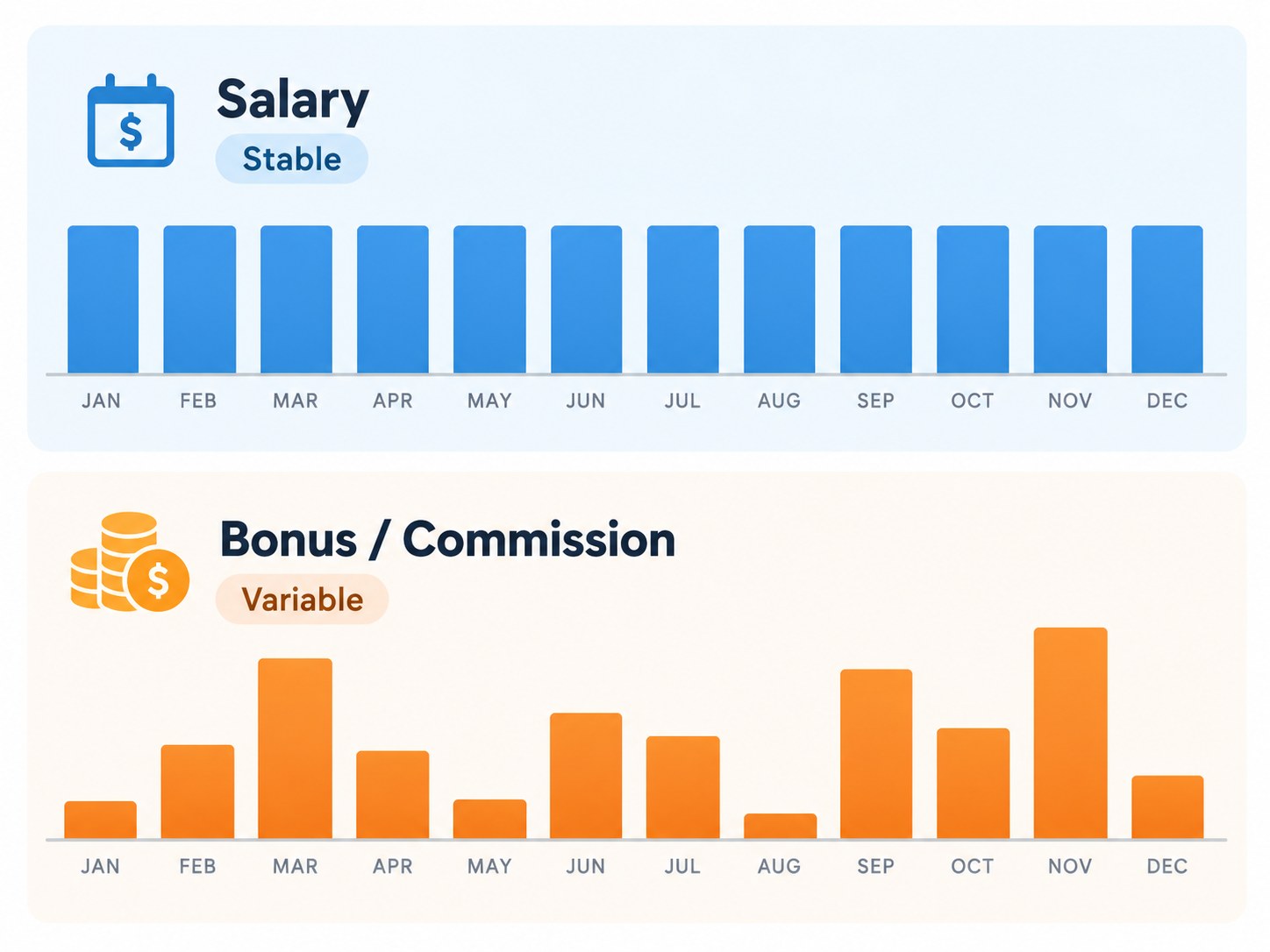
And here’s the other consideration: lenders do not necessarily count every dollar of overtime, bonus or commission income. They may review historical earnings, consistency and whether variable pay is likely to continue. Our guide explains how banks analyze mortgage income.
You’ve Been Preapproved. Isn’t the Mortgage Guaranteed?
No. Canada’s Financial Consumer Agency warns that mortgage preapproval does not guarantee final approval. A lender may verify employment, income, debts and other information again before funding a mortgage.
Imagine you’ve purchased a home, negotiated a closing date and paid a deposit. Before closing, your employer cuts your hours or eliminates your position. If the lender reassesses your income, you might need a different financing arrangement or additional funds. Failure to close can also create serious contractual and financial consequences.

See the federal mortgage preapproval guidance for the distinction between preapproval and final financing.
Could Mortgage Rates Fall While Qualification Becomes Harder?
Yes. Weaker economic activity can sometimes put downward pressure on mortgage interest rates. But a lower rate does not automatically compensate for a substantial reduction in income that the bank is prepared to recognize.
So what matters more? Remember the distinction between what you can afford to pay and what a lender is prepared to approve. Even with lower rates, someone whose employment income changes might qualify for a smaller mortgage.
What Should Ontario Mortgage Borrowers Do?
If you’re preparing to buy a home, ask how much overtime, commission or bonus income a lender will include. Before waiving financing conditions, understand whether your approval depends on variable earnings. If your income changes after preapproval, disclose that promptly and ask for a reassessment before closing.
There may be alternatives involving different lenders, a smaller mortgage or additional qualifying income, but nothing should be assumed. If you’ve already experienced a layoff, see our article about mortgage options after losing employment.
The Bottom Line: Employment Stability Matters
The October tariff changes could help some exporters and impose new costs on others. The effects on individual Ontario employers remain unverified. But the mortgage issue is clear: the income and employment information supporting your preapproval must still satisfy your lender when it’s time to close.
If your earnings have changed since you first qualified, find out what mortgage you can qualify for now—not what you were preapproved for months ago.
Jason Wodlinger | Ontario Mortgage Agent