Trump wants to lower mortgage expenses for American borrowers, including refinancing fees—but could Canadian homeowners benefit from similar changes?
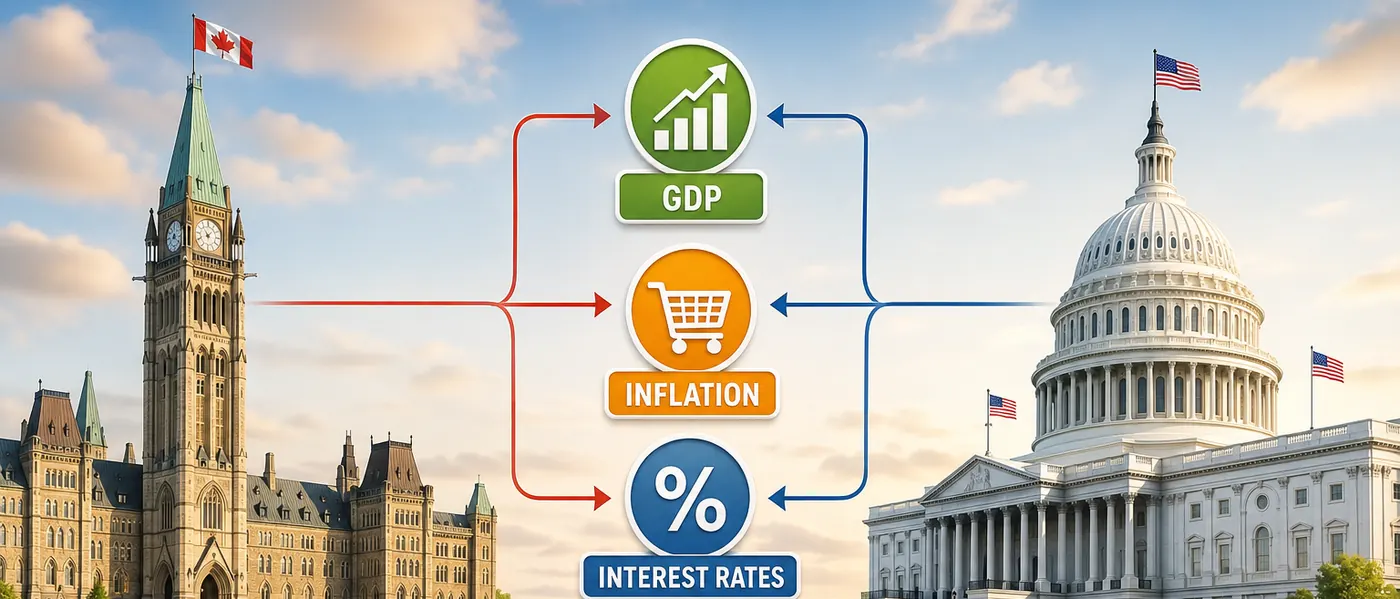
Table of Contents
On October 22, 2026, the White House signed an executive order targeting mortgage-insurance premiums, refinancing fees, certain government-issued loan rates and manufactured housing. It is a U.S. initiative, not a reduction in Canadian mortgage rates. However, it raises a useful question for Ontario borrowers: why does refinancing sometimes require paying for another round of appraisals, legal work and paperwork? Our earlier article on Canada versus U.S. mortgage rules explains why their lending systems cannot be directly compared. Read the October 22 executive order.
Can U.S. Borrowers Stop Paying Mortgage Insurance?
Some American borrowers pay private mortgage insurance (PMI) as a recurring cost. Existing U.S. rules already allow many homeowners to request its removal once their mortgage balance reaches 80% of the original property value, with automatic termination generally required at 78% if conditions are met. The new order proposes a pilot that would use updated property valuations to identify additional eligible borrowers and cancel PMI proactively. Importantly, that pilot would apply only to mortgages originated after it begins, and cancellation would still depend on eligibility and safety requirements. See the U.S. consumer regulator’s PMI guidance.
Canada works differently. CMHC mortgage default-insurance premiums are typically one-time charges, paid upfront or added to the mortgage, rather than a monthly PMI charge that can simply disappear later. That means Trump’s proposed cancellation system cannot be copied directly to eliminate a recurring Canadian default-insurance bill. Our article about high-ratio mortgages in Canada explains when that insurance usually applies. The CMHC mortgage insurance premium schedule explains the Canadian structure.
Could Refinancing Become Less Expensive?

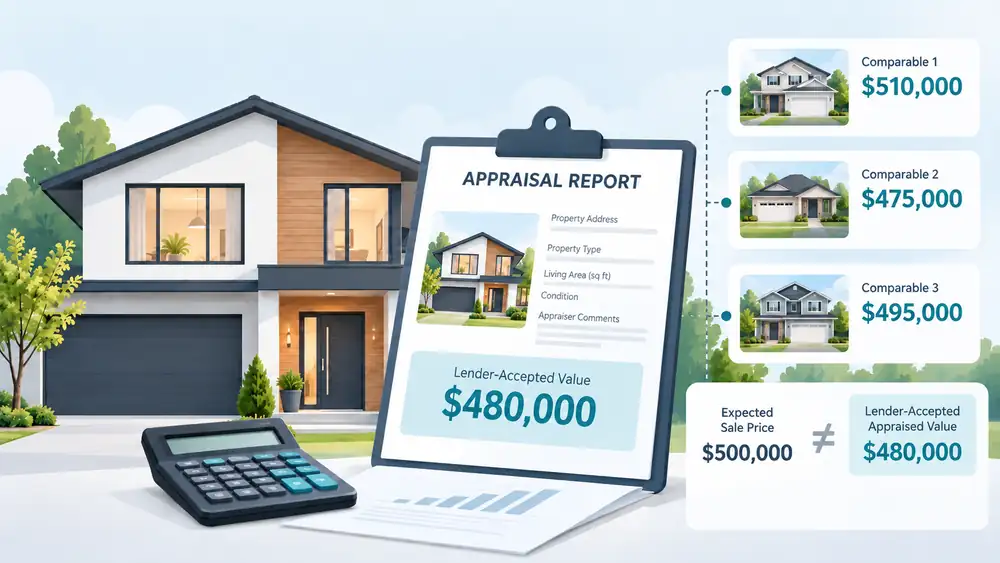
This is where the American order becomes particularly interesting for Ontario homeowners. It calls for expanding an alternative to lender title insurance for eligible U.S. refinances, and instructs officials to consider waiving some appraisals, income re-verification and other requirements for qualifying payment-reducing transactions. It also directs that savings from the title-review program be passed on to borrowers. However, these measures are conditional, and they are not a blanket promise of cheaper refinancing for everyone.
Canadian refinancing can carry appraisal, legal, title-search, title-insurance and administrative costs. Not every lender charges every fee, and some may cover certain costs. Ontario title insurance also provides important protections against risks such as title fraud, so eliminating it without a suitable substitute would not necessarily benefit the homeowner. Review the federal home equity borrowing guidance and Ontario’s title insurance consumer guidance.
Is Trump Lowering Mortgage Interest Rates?
The order tells the U.S. agriculture and veterans affairs departments to reduce rates on certain direct housing loans, subject to applicable law and funding. It does not direct all American lenders to reduce their mortgage rates. Canadian fixed and variable mortgage pricing likewise does not change because the U.S. president signed this order. Our article on bond yields and mortgage rates explains another important influence on Canadian fixed borrowing costs. For Canadian homeowners, a lower payment still depends on the rate, term, amortization and mortgage product actually available to them.
Would the Same Ideas Work in Canada?
Consider an Ontario homeowner seeking to refinance a mortgage while also consolidating higher-interest debt. Faster property valuation and less duplicated documentation could potentially lower some transaction costs. But removing underwriting safeguards is not the same as making a borrower qualified. Lenders still need to assess income, credit, equity and the ability to carry the resulting debt.
Canadian banking guidance permits automated valuation tools as part of risk-based property assessments; see OSFI’s mortgage valuation guidance. The opportunity, therefore, is not to import America’s rules unchanged; it is to ask whether unnecessary refinancing steps can be reduced without weakening borrower protection. Homeowners can compare options on the mortgage refinancing information page and explore payments through the mortgage payment calculators.
What Should Ontario Homeowners Do?
Before refinancing, ask for the full cost breakdown, including any mortgage penalty, appraisal, legal fees and title-related charges. Compare those costs with the interest or cash-flow savings over the period you expect to keep the new mortgage. Our comparison of 25-year and 30-year amortizations illustrates why a lower monthly payment can mean paying more interest overall.