Home prices fell about 7% in several Ontario markets over the past year. Does that make your next mortgage easier—or could the same economic pressures make approval harder?
Table of Contents
What Does the New Home-Price Report Show?
RPS–Wahi’s September housing report, released October 13, 2026, shows Canadian home values down 3% year over year. Hamilton, Barrie, Kitchener–Cambridge–Waterloo and Windsor experienced declines of approximately 7%, while Toronto was down about 6%.
These are movements in a price index, not proof that every individual home dropped by the same amount. Actual sale prices depend on neighbourhood, property condition and recent comparable sales.
Did U.S. Tariffs Cause the Price Drops?
The evidence reveals a striking pattern, but not a proven cause. Among 19 Canadian markets considered highly exposed to U.S. tariffs, 14 had flat or declining home values in September. Canadian Mortgage Trends cautions that this does not establish that tariffs caused those declines.
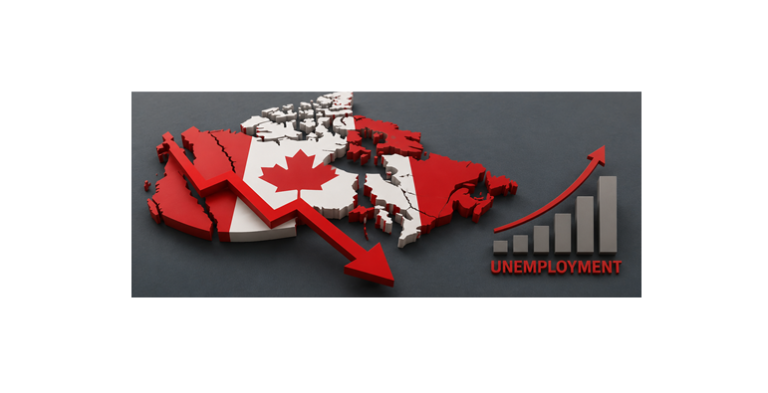
Job uncertainty can discourage purchases, but housing supply, borrowing costs and local conditions also matter. A household worried about layoffs may postpone buying even as asking prices soften. The potential employment connection is examined further in my article on the trade war and jobs.

Could Buyers Need a Smaller Mortgage?
Yes—if a comparable home actually sells for less. Imagine an Ontario home at $700,000. With 20% down, the buyer contributes $140,000 and needs a $560,000 mortgage. At a hypothetical price 7% lower, or $651,000, the down payment becomes $130,200 and the mortgage $520,800.
That is $9,800 less cash for the down payment and $39,200 less mortgage debt. These numbers are examples, not forecasts. Lenders still assess property value, income and debts; loan-to-value rules can influence the financing available.
Could Job Loss Make Approval Harder?
Lower prices do not replace income a lender cannot verify. A borrower facing layoffs, reduced hours or a job change before closing could be asked for updated employment and income documents, depending on the lender and the circumstances.
That makes how lenders evaluate income especially relevant in tariff-exposed regions. Buying a cheaper property may reduce the requested mortgage, but weaker job security can still make qualification more difficult.

What Happens If You Already Own?
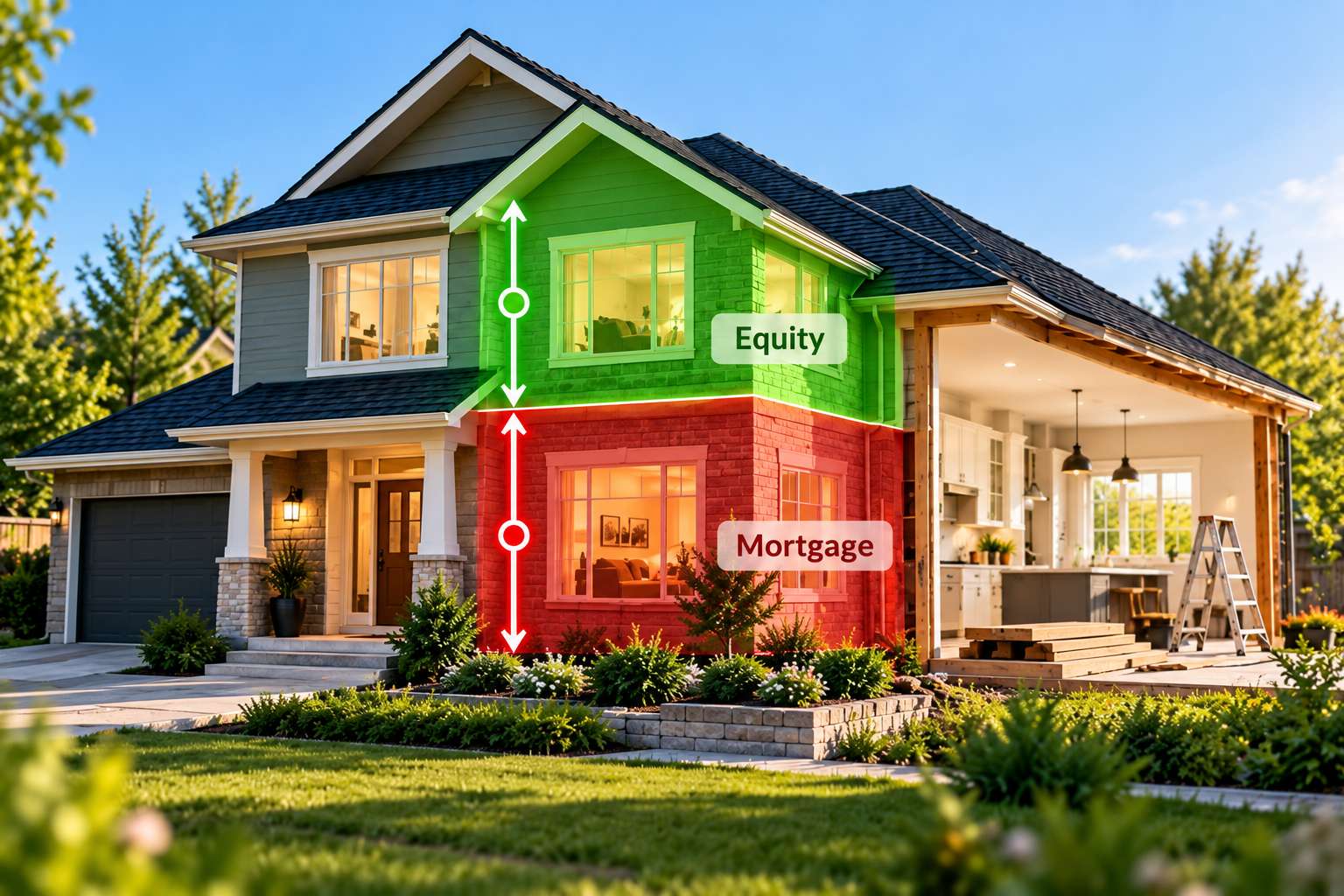
A decline in property value does not automatically change what you owe or your contracted payment. It can shrink home equity: the value of your property minus the outstanding secured debt. That can affect refinancing or taking out additional equity. If you are considering a move or major renovation, reduced equity could also influence whether to renovate, sell or downsize.
A straightforward renewal with your current lender is different from applying for a new mortgage elsewhere. The federal mortgage-renewal guide explains how switching lenders can require a new approval and, in some cases, a property appraisal. Read more about refinancing an Ontario mortgage before assuming equity is available.
Are Condos and Townhouses Falling Faster?
In the same national index, townhouses were down about 7% year over year and condos about 6%, compared with approximately 2% for detached and semi-detached homes. This is a national comparison; local markets may look very different.
When comparing properties, consider condo fees, new construction versus resale and the lender’s assessment. Ontario new-home pricing trends provide another perspective, but cannot replace a valuation of the home you actually intend to buy.
What Should Ontario Buyers Check Now?
Start with recent local sold prices for the kind of property you want. Confirm the down payment, income documentation, existing debts and monthly housing costs. Avoid treating a citywide percentage as the discount on any one property.
Finally, review GDS, TDS and the mortgage stress test before making an offer. Falling prices may improve the math for one buyer while employment uncertainty complicates approval for another. The report describes what happened through September—not what every neighbourhood will do next.