Canada’s foreign-homebuyer ban is scheduled to expire in 2027—but could that change the price of the home you can afford and the mortgage you need?
Table of Contents
What Happens to the Foreign-Buyer Ban in 2027?
Canada’s federal prohibition on certain residential purchases by non-Canadians is scheduled to end on January 1, 2027 unless the law changes. The government extended the ban in 2024, and a new October 13 report says officials are reviewing their options as the deadline approaches.
This is not a ban on every person born outside Canada. The federal law includes specific exceptions, and provincial rules can also apply. Permission to buy and eligibility to borrow are different questions; our guide to mortgages for non-Canadian borrowers explains why those distinctions matter.
Did the Ban Actually Lower Home Prices?
The ban took effect on January 1, 2023, while Canada was also dealing with much higher interest rates and a cooling housing market. That makes it difficult to isolate how much the ban itself changed prices. In an October 13, 2026, Global News report, economists differed on its importance but cautioned against assuming a sudden wave of buyers if the ban expires.
That uncertainty matters. Housing prices respond to financing costs, supply, incomes and local demand—not only foreign investment. Other factors behind lower new-home prices in Ontario may continue to influence prices regardless of what Ottawa decides.

Would Foreign Buyers Return Immediately?
Possibly some would, but there is no reliable basis today to predict a flood of purchases. Investors consider future price growth, carrying costs, exchange rates and the alternatives available in other markets. If housing no longer offers the returns they expect, lifting a restriction may have only a limited impact.
It’s also important to distinguish purchases by foreign investors from purchases by newcomers legally living and working in Canada. Those different situations can lead to very different financing and borrower-eligibility questions. The available evidence does not justify assuming every Canadian home will face the same demand.
How Could a Higher Price Change Your Mortgage?
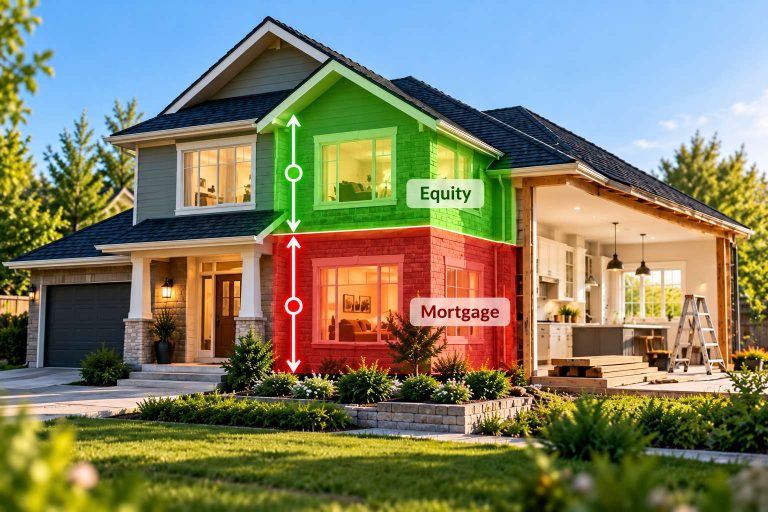
Consider a hypothetical Ontario home priced at $800,000. With a 20% down payment, you would contribute $160,000 and need a $640,000 mortgage before closing costs. If the same home instead cost $850,000, your down payment would become $170,000 and the mortgage $680,000.
That’s $10,000 more cash upfront and $40,000 more mortgage debt—not because the mortgage rules changed, but because the assumed purchase price did. It does not mean the ban will cause a $50,000 price increase. Actual buyers should also plan for closing expenses, including the effects of land transfer tax on ownership costs.

Could a Higher Price Affect Mortgage Approval?
Yes. A larger mortgage generally means higher required payments at the same interest rate and amortization. Even if a buyer can find the additional down-payment money, the lender still evaluates income, debt obligations, housing costs and qualification requirements.
That is why the GDS and TDS mortgage calculations become crucial when comparing properties at different prices. A buyer’s preapproval amount is not a guarantee that a more expensive house will qualify, especially when taxes, condo fees or other monthly expenses differ.
Could Toronto Be Affected More Than Other Cities?
Any effect would likely vary substantially by location and property type. Some high-demand neighbourhoods in Toronto or Vancouver might attract more international interest than a smaller or less liquid market. But neither the number of potential buyers nor the resulting price movement can be known in advance.
Meanwhile, local rental returns and construction supply still matter to investors. A separate look at Canada’s changing rental-income market helps explain why owning a property may look more or less attractive even if purchase eligibility changes.
What Should Homebuyers Watch Next?
The most important event is a confirmed federal decision: extension, expiry or changes to the exceptions. Until then, assume the current rules remain in effect and verify your own legal eligibility before making an offer. The federal government’s extension announcement explains the current deadline.
For Canadian buyers, the useful question is not simply whether the ban ends. It is whether actual transactions, listings, selling prices or mortgage qualification conditions change in the market where you intend to buy. Those are the developments worth following before changing a purchase budget.