BoC held rates unchanged – What should mortgage holders do?
The Bank of Canada left its key interest rate unchanged at 2.25% at its September 2 announcement. But just because the Bank of Canada may do nothing doesn’t mean homeowners should do the same.
Here are some mortgage decisions worth considering.
Fixed Rates Can Move
A Bank of Canada rate hold does not mean all mortgage rates will remain unchanged. Variable mortgage rates are closely connected to the Bank of Canada’s policy rate. Fixed mortgage rates, however, are influenced heavily by bond yields.
That means fixed rates could still move even if the Bank of Canada leaves its rate untouched. Source: Bank of Canada

Rethink Variable Rates
If you have a variable-rate mortgage, consider why you are staying variable. Are you expecting rates to fall further?
The latest Reuters poll suggests economists aren’t expecting another rate cut anytime soon. The median forecast has the Bank holding at 2.25% through the third quarter of 2027, followed by an increase to 2.50%. Tariffs are a major concern for economists and mortgage holders.
Forecasts can certainly be wrong, but borrowers shouldn’t automatically assume lower rates are coming.
Source: Reuters, August 28, 2026
Prepare For Renewal
If your mortgage is renewing within the next year, start looking at your options early.
The Bank of Canada estimates that the remaining borrowers with five-year fixed mortgages taken out during the pandemic will experience an average payment increase of approximately 15% when they renew over the coming year. Knowing what your new payment might look like before renewal gives you time to prepare.
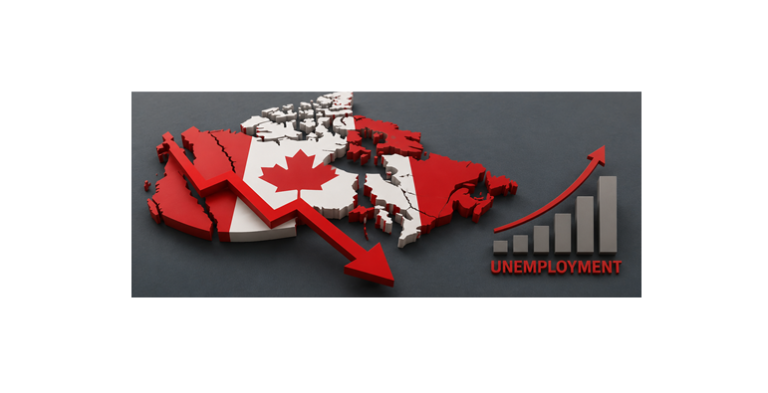
Take a good look at your current and future career trajectory. A trade war can pose challenges for unemployment figure. There is a lot of noise around the US / Canada relationship – especially when it comes to our Lake names.

It’s a good idea to start exploring other mortgage solutions 3 months before your term ends. Compare rates, but also compare penalties, prepayment privileges, mortgage features and flexibility.
Consider Your Term
The lowest rate isn’t necessarily the only consideration.
A five-year fixed mortgage provides longer-term payment certainty, while a shorter term gives you an opportunity to renegotiate sooner. The trade-off is that nobody knows what mortgage rates will be when that shorter mortgage comes up for renewal.
Consider how much certainty you want versus how much interest-rate risk you are comfortable accepting.
Pay Down Principal
If you have extra money available, this may also be a good time to review your mortgage’s prepayment privileges.
Some mortgages allow you to increase your regular payment or make lump-sum payments without a penalty. Reducing your principal today means there will be less mortgage debt exposed to whatever interest rates exist at your next renewal.

Review Other Debt
Your mortgage may not be your most expensive debt.
If you are carrying high-interest credit cards, unsecured lines of credit or other debts, consider looking at your entire financial picture rather than focusing exclusively on obtaining a slightly lower mortgage rate.
If you are considering refinancing for future renovations, consider the impact that tariffs may have.
For some homeowners with sufficient equity, refinancing to consolidate higher-interest debt may be worth investigating. But remember that refinancing can involve costs and may increase the amount secured against your home. Downsizing may be a option especially with some Ontario house prices falling by as much as$200,000.
Check Your Penalty
Seeing a lower mortgage rate doesn’t necessarily mean you should break your existing mortgage. There may be a prepayment penalty for breaking your mortgage before the end of its term—and that penalty can cost thousands of dollars.
Before refinancing, calculate whether the potential savings actually exceed the cost of leaving your existing mortgage.
Don’t Wait
If your mortgage payments are becoming difficult to manage, don’t base your financial plan on the hope that the Bank of Canada will eventually cut rates. Look at your options before you start missing payments. To keep decisions simple, ignore the geopolitical events (like Iran conflict) as this coud be distracting noise affecting our decisions.
Depending on your circumstances, those options could include refinancing, extending your amortization at renewal, restructuring other debts or adjusting your mortgage payments. Extending an amortization can reduce payments, but it also means paying interest for longer and can substantially increase your total interest costs.